When the Storm Passes, Your Generator Shouldn't Be a Question
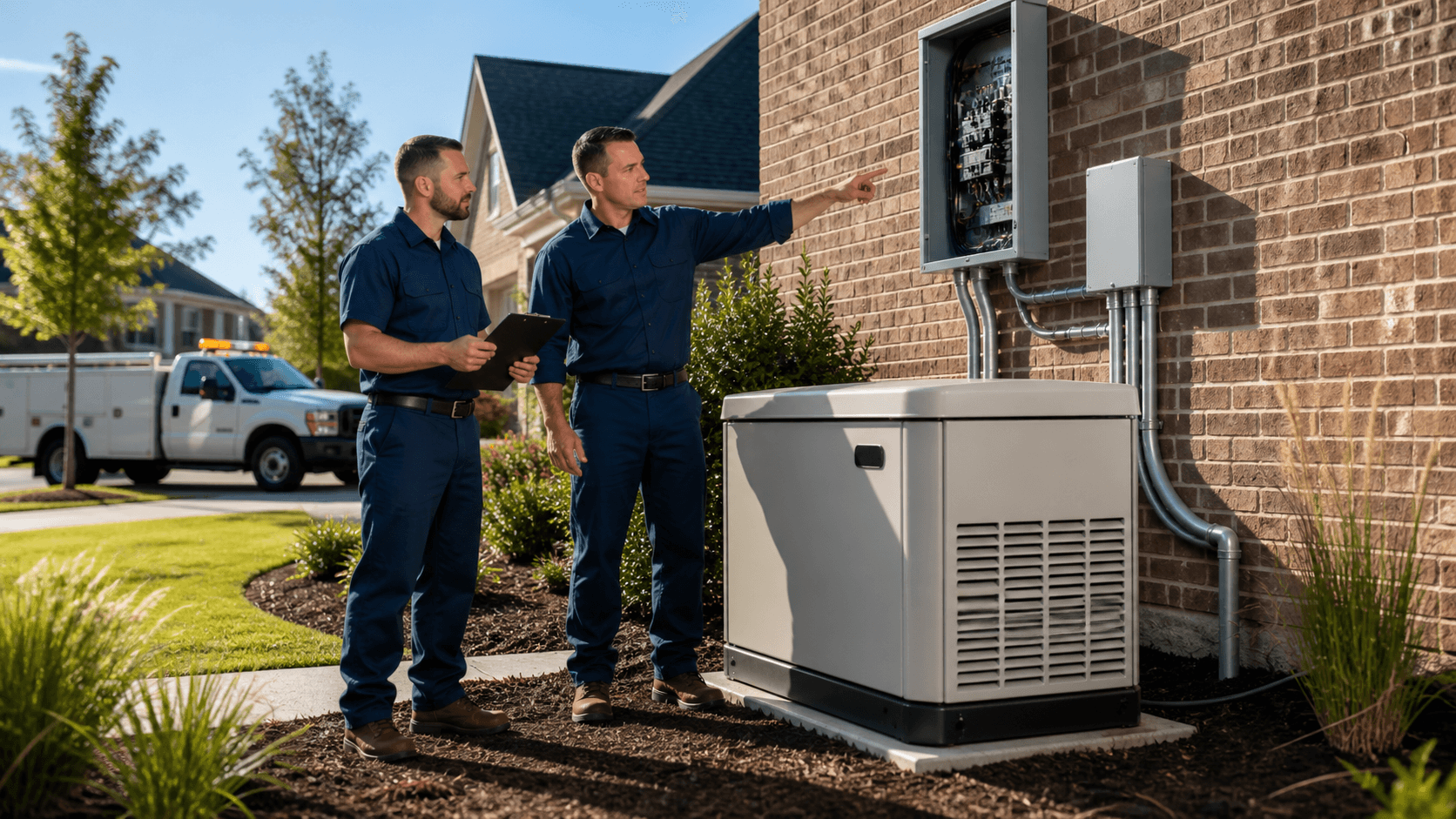
When a summer thunderstorm rolls through Chelsea and the lights go out, you find out fast if your backup plan is real or just a hope. A whole home generator isn't just about having a big box sitting beside the house. It's about knowing it'll start, carry the right loads, and keep doing it safely as long as the power company's down.
What I want for you is simple: no guessing, no panicking, no troubleshooting by flashlight. This checklist comes from what I actually look at on generator calls around the Greater Birmingham area. It's meant to be practical and easy to follow so the next time the sky turns dark, you know your setup's ready.
Know What Really Needs Power When the Grid's Down
A whole home generator in Chelsea sounds like it should run every single thing in your house at once. In real life, you still need to be smart about what runs during an outage. The goal's to keep the important stuff on without overloading the system.
Start with "load triage." Think about what has to stay on, what's nice to have, and what can wait.
Must‑have items usually look like this:
- Fridge and freezer
- Medical equipment
- Well pump or sump pump if you have one
- Basic lights in key rooms
- Wi‑Fi and a few key outlets
Nice‑to‑have items:
- TV or streaming setup
- A few extra lights
- One main HVAC system or a couple of smaller window units
- Garage door opener
Things to turn off during long outages:
- Electric ovens and cooktops
- EV chargers
- Big shop tools and air compressors
- Extra refrigerators and freezers you don't really need
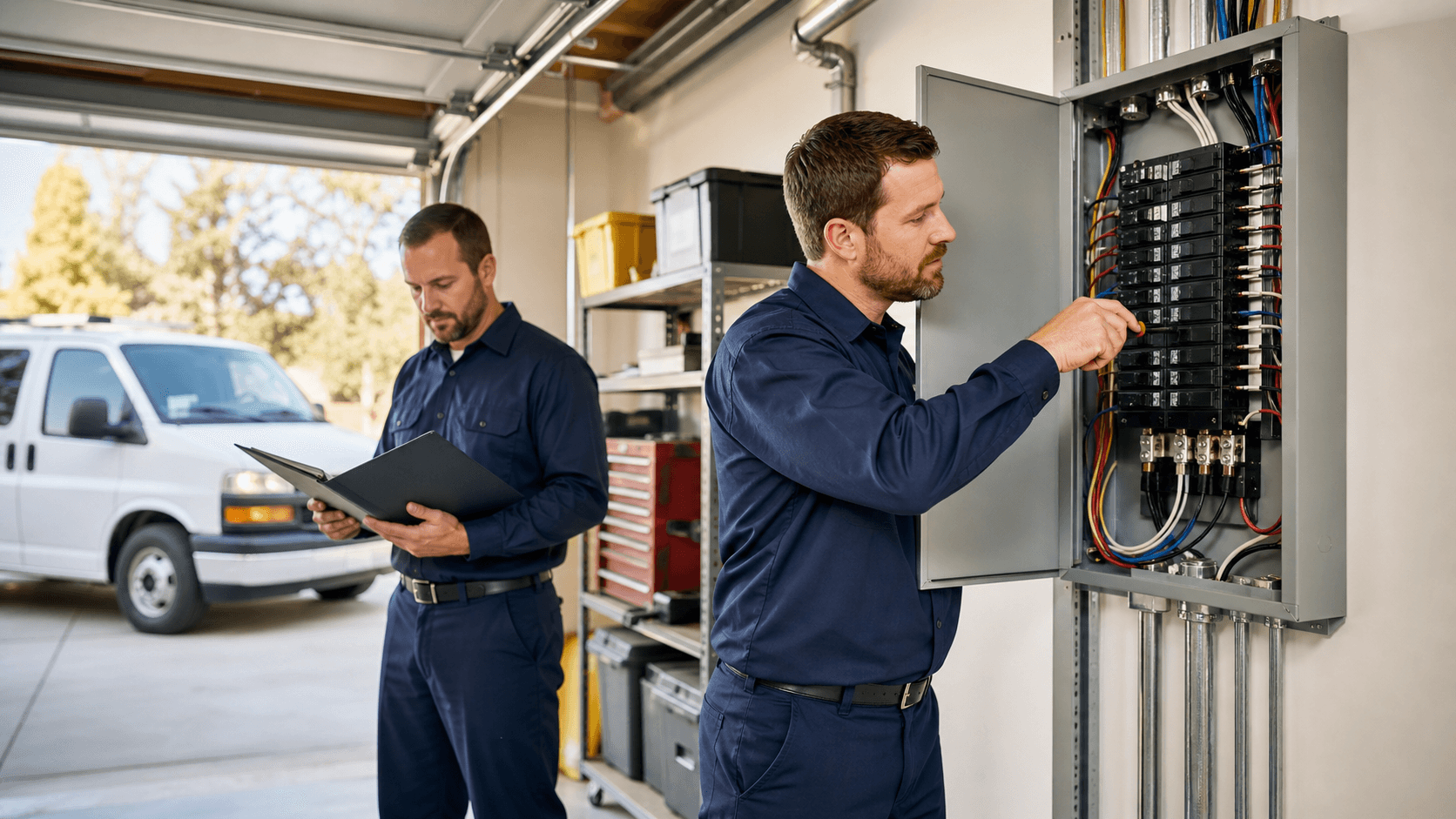
It helps to write this out and stick it near the panel. Label circuits if they're not already labeled. Then have a quick family talk so everyone knows the rules during an outage: no baking marathons, no portable heaters all over the place, and no plugging in a bunch of big devices without thinking about it first.
Fuel, Natural Gas, and How Long You Can Really Run
After a storm, don't just look at whether the generator started. Think about how long you can keep it going. Fuel's a big part of that.
If you're on propane or gasoline:
- Check the fuel level and write it down somewhere
- Look at how old the fuel is if it's a portable unit
- Use fuel stabilizer if the gas will sit for a while
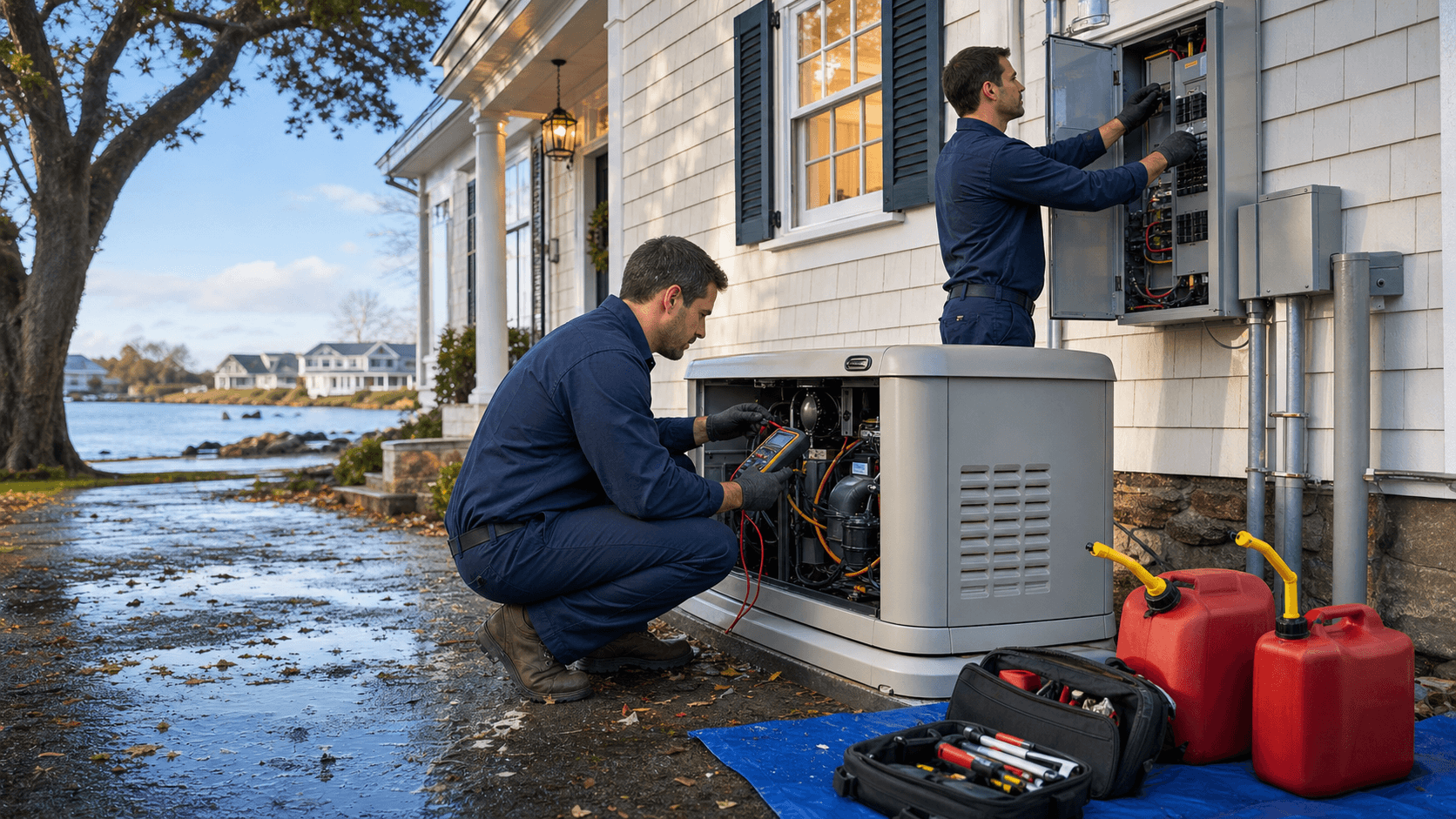
- Keep gas cans outside living spaces and away from ignition sources
Old fuel can make a generator hard to start or cause it to shut down right when you need it. Fresh fuel and good storage go a long way.
If your whole home generator is on natural gas, you don't have to store fuel, but you're still depending on gas pressure. It's rare, but storms and other issues can affect supply. When the generator's running under load, pay attention. If you notice rough running, surging, or it sounds like it's struggling when big loads kick on, that can point to gas sizing or pressure issues that need a pro.
In a long outage, it helps to think in terms of a "run time plan":
- Do you really need electric water heating all day, or can you cycle it?
- Can you cook with a grill instead of the electric oven?
- Can you cool just key rooms instead of the whole house?
Don't adjust gas regulators or start swapping fittings yourself. Gas and electrical work need licensed, bonded trades to keep you safe and keep everything legal with permits and inspections.
Transfer Switch Testing You Can Do Without Breaking Anything
The transfer switch is the traffic cop between the power company and your generator. It decides where your house is getting power from and keeps those two sources from feeding each other. When it's working right, you hardly notice it. When it's not, nothing works the way it should.
Here's a simple, safe test routine a lot of homeowners follow:
- Make sure the generator's in auto or ready mode
- If your switch has a test feature, use that according to the label
- If not, you can simulate an outage by turning off the main breaker, but only if you're comfortable and understand your panel
When you test, pay attention to:
- Does the generator start up like it should?
- Do you hear the transfer switch click over?
- Do the lights stay steady, or do they flicker a lot?
- Do big loads, like HVAC, act normal?
Stop and call a pro if you notice:
- Strong burning smells
- Loud bangs or popping sounds
- Breakers tripping repeatedly
- The switch never transfers, or power never comes back to utility when it should
Any new transfer switch install or upgrade in our area should be permitted and inspected. If you have an old setup that nobody's quite sure about, or a "buddy wired it up years ago" situation, it's a good idea to get it checked before the next big storm.
Simple Maintenance Scheduling That Actually Gets Done
Storms are a great reminder to give your generator a quick once‑over. After you walk the yard to look for branches and damage, walk by the generator too. It doesn't have to be complicated.
Right after a storm, check:
- Debris, branches, leaves, or mud around the unit
- Vents and louvers for blockages
- Any new rattling, grinding, or smoky smells
- Warning lights or error codes on the control panel
On a regular basis, especially in Alabama heat and humidity:
- Run the generator under load at least once a month when the weather's calm
- Replace or clean air filters as the manufacturer recommends
- Keep grass, weeds, and shrubs trimmed back so the unit can breathe and be serviced
Think of your standby generator like a vehicle parked in the driveway. You wouldn't skip oil changes for years and then expect to drive across the country without a problem. Same idea here. You don't have to baby it, you just can't forget it exists and still expect it to save the day.
When to Bring in a Pro to Get Your Generator Storm‑Ready
The goal's simple: when the next storm hits Chelsea, you should know your generator will start, carry the right loads, and run safely as long as you need it. If any part of your setup feels like a question mark, that's the time to get a licensed, bonded electrician involved, not during a midnight outage.
On a service visit, I'll check load sizing, test the transfer switch, look over wiring, tighten connections, and look at the gas or fuel setup. The work's something I'm willing to put my name on for permits and inspections. I'd rather do five jobs right than fifteen I can't stand behind.
If you want your generator storm‑ready before the next round of storms, give us a call or book online.
Phone: (205) 451-5205
Book online: masseyelectricllc.com/book-online
Website: masseyelectricllc.com
Get Started With Your Project Today
If you are ready to protect your home from unexpected outages, we are here to help you choose and install the right backup power solution. Our licensed team at Massey Electric will handle everything from sizing to professional installation so you can feel confident your home is covered. Schedule your whole home generator in Chelsea, AL with us today and take the next step toward reliable power and peace of mind.