Make Your Home Safer Before Summer Storms Hit
An electrical inspection is one of the simplest ways to make your home safer before summer heat and storms hit. When AC units run hard, storms roll through, and the lights flicker, your electrical system is under extra stress. Finding problems now is a lot better than finding them in the dark after a storm.
An electrical inspection is a detailed check of your home's wiring, main panel, and safety devices. It helps find hidden fire risks, loose connections, and worn-out parts before they turn into bigger problems. Things like overloaded circuits, old aluminum wiring, or damaged outdoor connections often show up during a good inspection.
Homes in many regions deal with strong summer storms, high humidity, and heavy AC use. A master-electrician-led inspection takes that mix into account when looking at breakers, panels, and connections. When an electrician who knows local codes and weather patterns looks over your system, you get clear answers on what is safe, what is allowed, and what needs attention soon.
What an Electrical Inspection Actually Covers
When you schedule an electrical inspection, you should know what will actually be checked. A good inspection is more than a quick glance at the panel. It is a step-by-step look at the main safety points in your home.
Most professional inspections include checks of:
- Main service panel and breakers
- Meter connection and service entrance cables that are visible
- Grounding and bonding system
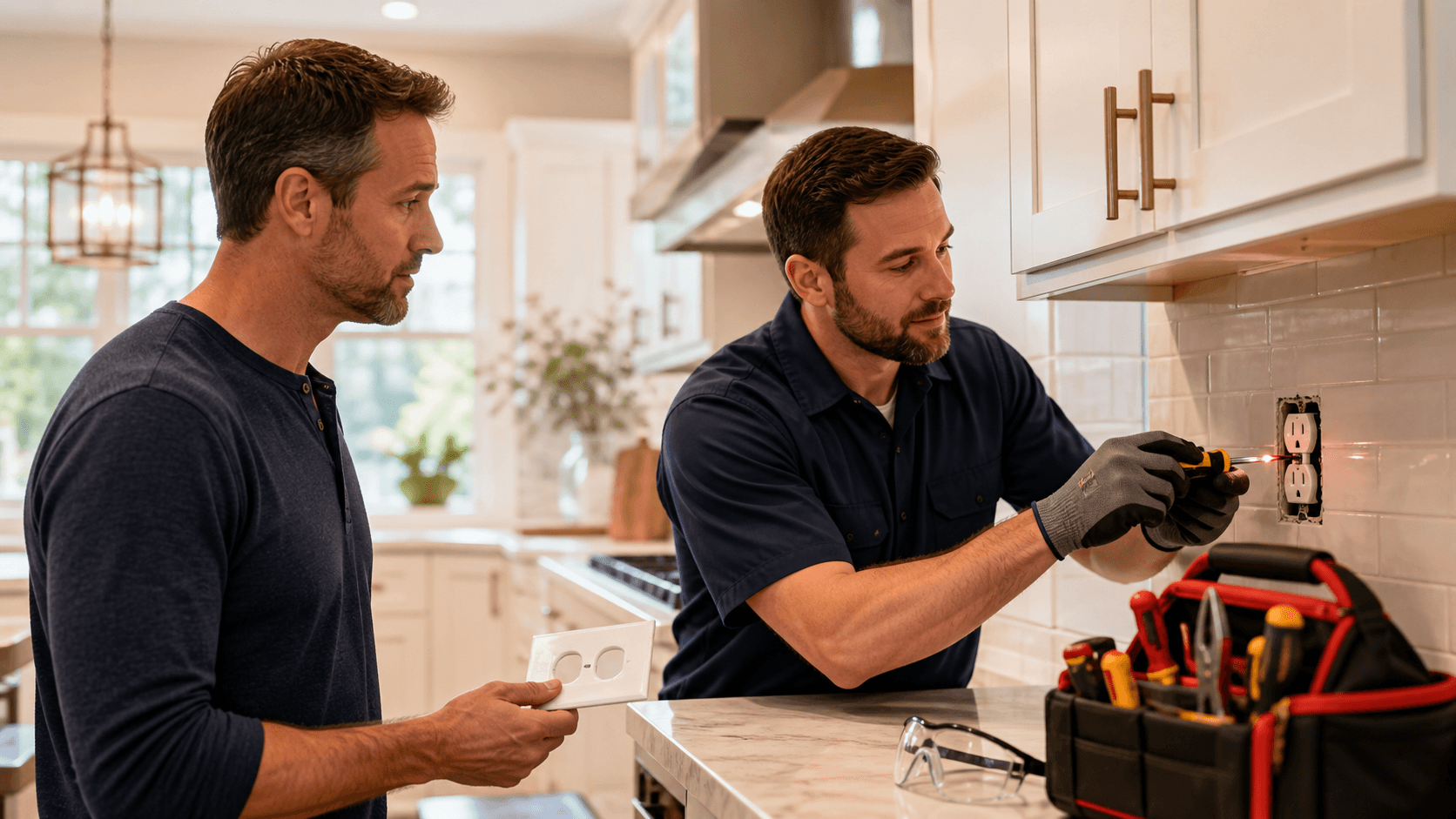
- Inside of outlets and switches that can be opened safely
- GFCI and AFCI protection in required locations
- Smoke and carbon monoxide detectors
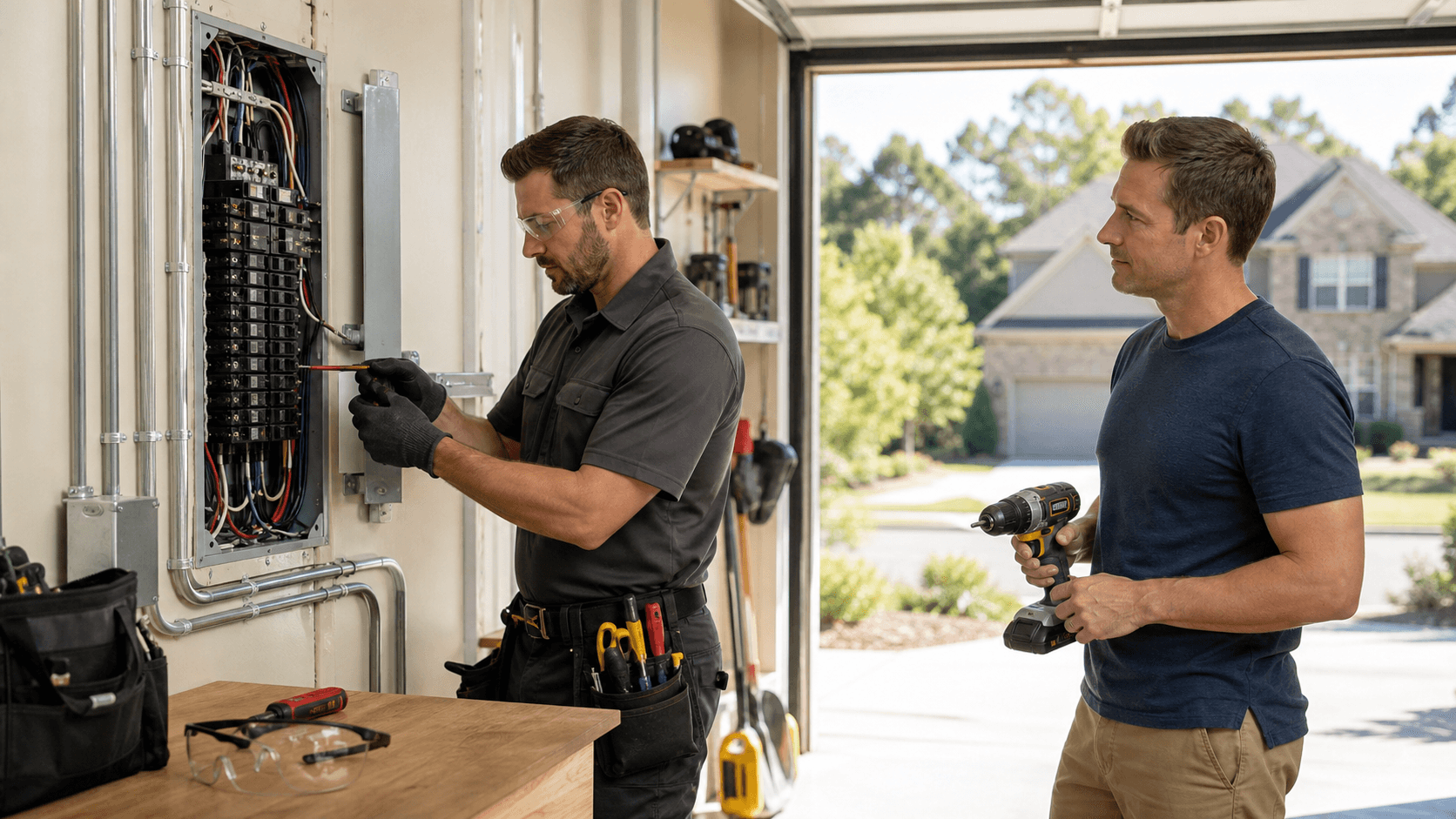
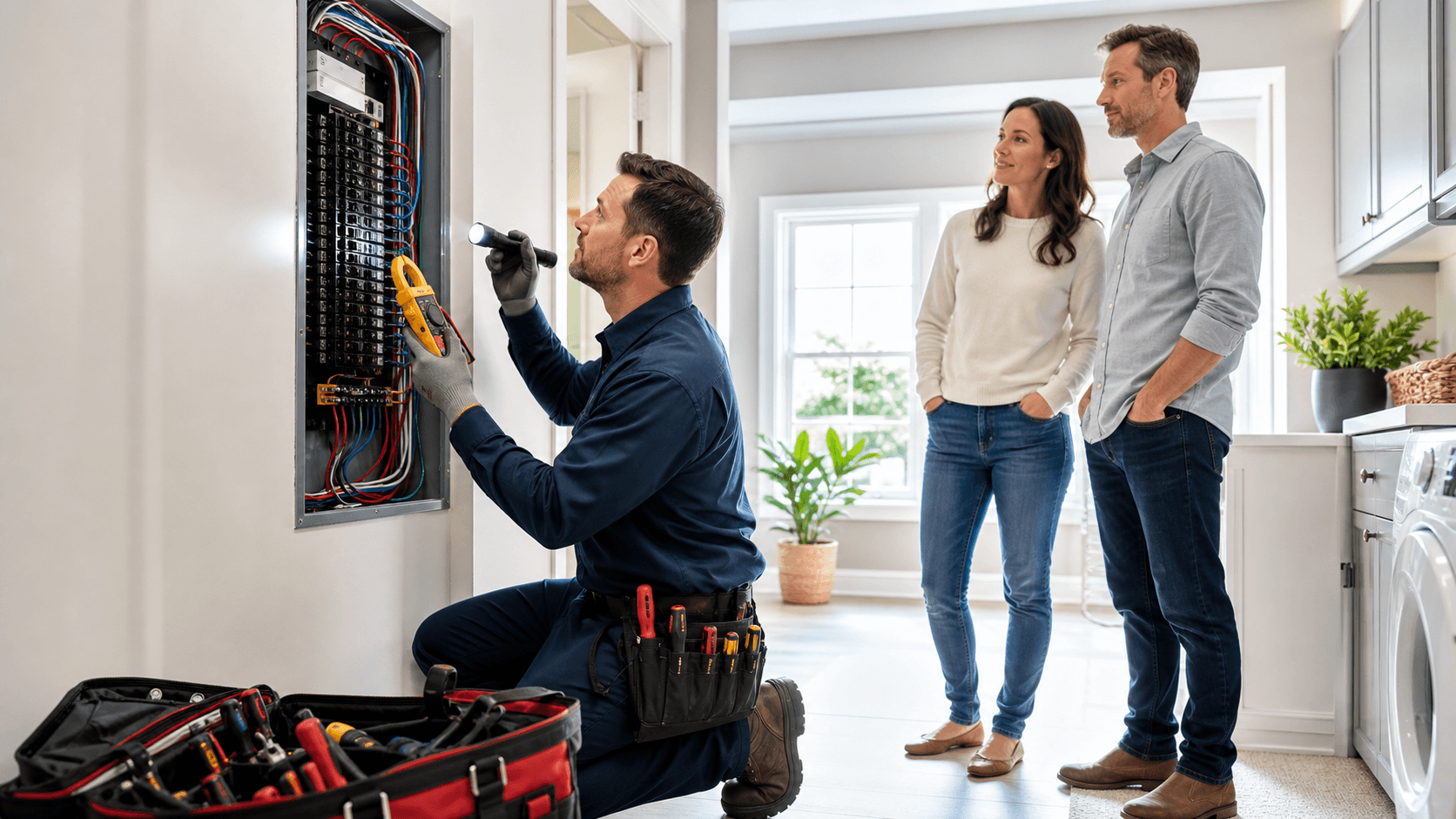
The electrician will usually open the panel and look for things like:
- Clear and accurate breaker labels
- Signs of overheating, discoloration, or buzzing breakers
- Loose or double-tapped wires where they do not belong
- Corroded or damaged connections
- Proper grounding and bonding jumpers
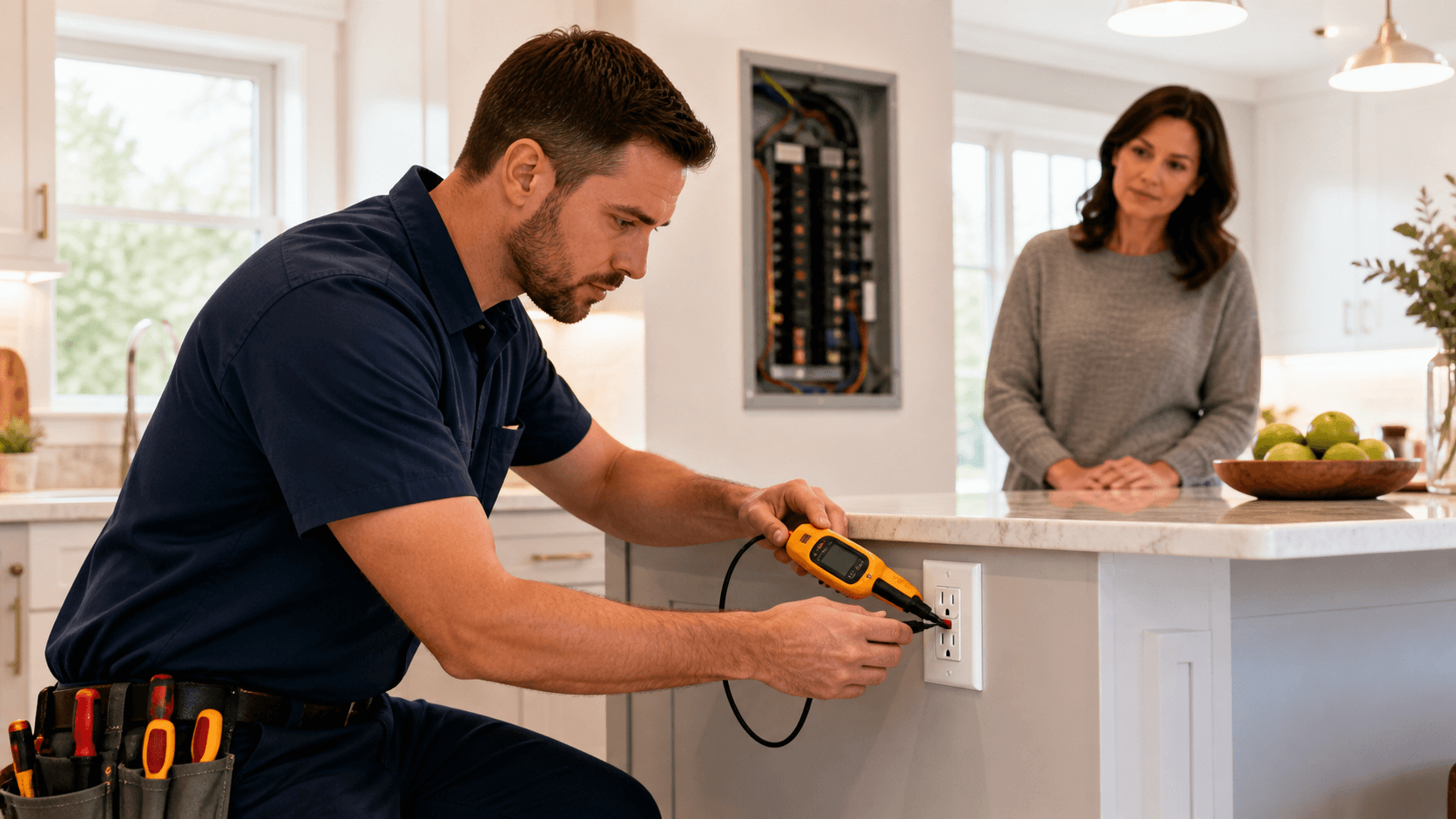
They also check visible wiring in accessible areas like the attic, crawl space, and unfinished basement. They will test GFCI outlets near sinks and outdoors, and AFCI breakers or outlets in living spaces, to see if they trip and reset as they should. Smoke and carbon monoxide detector locations are checked to see if they make sense for the way the home is used.
Some things are usually not part of a standard inspection, such as:
- Hidden wiring inside finished walls if there is no sign of trouble
- Low voltage data cabling for internet or TV
- Appliances that are plugged in rather than hardwired
If an inspector sees a clue that something behind a finished wall might be bad, such as a discolored outlet or a warm switch, that can lead to follow-up service work. The inspection is the first step to find and document what needs repair or upgrade.
Top Reasons Homes Need Regular Electrical Checks
Many homes, especially in older neighborhoods, have wiring that was installed a long time ago. It might still work, but it was not designed for today's loads, like multiple TVs, computers, and large AC units. Regular electrical inspections help catch weak spots before they lead to trouble.
Safety is the biggest reason to keep up with inspections. They help reduce the chance of:
- Electrical fires from loose or overheated connections
- Shocks from damaged cords, outlets, or fixtures
- Early failure of expensive appliances and electronics
When your wiring and panel are in good shape, your AC, heat pump, and other major equipment can run more safely under heavy summer demand. Circuits that are sized right and grounded well are less likely to trip or damage motors and compressors.
There are also key life events when an inspection makes a lot of sense. An electrical inspection in your area is smart when you are:
- Buying or selling a home
- Adding a major appliance, hot tub, or EV charger
- Planning a home generator or transfer switch
- Recovering from storm damage, roof work, or flooding
Each of these changes can put new stress on your electrical system. Checking the system at those times helps you plan upgrades instead of reacting to surprises.
How Much an Electrical Inspection Really Costs You
Homeowners often want to know what an electrical inspection will cost and what they get for that price. There is no single answer, because several things affect the total.
Costs usually depend on:
- Size of the home and number of panels
- Age of the wiring and panel
- Past renovations or additions
- Known problems, like frequent breaker trips or flickering lights
A small, newer home with a single panel is quicker to inspect than a large, older home with multiple additions. If the electrician needs to trace circuits or open more devices to understand what is happening, that can take extra time and affect the price.
It helps to compare that cost to what can happen when problems are not caught early. Emergency repairs, panel replacements, damaged appliances, insurance deductibles after a fire, or generator failures in an outage can be far more expensive than a planned inspection. A clean inspection report can also support a smoother home sale and help avoid delays when buyers ask for repairs before closing.
What to Expect When a Professional Electrician Inspects
A good inspection should feel organized and clear, not rushed or confusing. Here is what most homeowners can expect when working with a professional electrician.
First, scheduling. You are given an arrival window and a rough idea of how long the visit should take based on your home size. Before the visit, it helps to:
- Clear space around the main panel and any subpanels
- Make attic hatches and crawlspace doors easy to open
- Move items away from key outlets and switches
- Secure pets so doors can be opened safely
During the visit, the electrician will usually:
- Talk with you about any issues such as tripping breakers or hot spots
- Walk the home for a quick overview of panels, devices, and access points
- Open the main panel and check connections, labeling, and grounding
- Test GFCI and AFCI devices and note any missing protection
- Look at visible wiring in accessible spaces and around outdoor equipment
They will document code issues, safety concerns, and items that are not urgent but worth planning for. After the inspection, they will explain findings in plain language, not technical jargon. Recommendations are often grouped into:
- Immediate safety fixes to protect people and property
- Near future upgrades, such as panel improvements or new circuits
- Optional improvements, like surge protection or generator readiness
You should walk away knowing what is safe, what needs work, and what would be nice to have.
Get Your Electrical Inspection ON the Calendar
An electrical inspection works best when it is done before storms, not after an emergency. When problems are found early, you can choose when to fix them instead of being forced to rush through repairs at a bad time.
Before your next inspection, it helps to jot down any odd things you have noticed, such as buzzing, flickering, or warm outlets, and gather any past repair notes you may have. Planning on a professional inspection every few years keeps your home safer, helps your system handle summer demands, and gives you more peace of mind when the weather turns rough.
Get Started with Your Project Today
If you are unsure about the safety or reliability of your wiring, we are ready to help you schedule a professional electrical inspection in your area. Our licensed team at Massey Electric will assess your system, explain any issues in plain language, and provide clear recommendations for next steps. Book a convenient appointment today so we can help you prevent costly problems and keep your property powered safely.