Keep Your Trussville Home Powered When It Matters Most
Power outages are a part of life in Central Alabama. In the Trussville area, we get hot, stormy summers with heavy rain, high winds, and plenty of lightning. Some winters bring just enough ice or wet snow to weigh down tree limbs and power lines. Any of these can leave whole streets in the dark at once.
Because of that, more homeowners are looking at whole-house generator installation as a long-term way to keep the lights on. Instead of scrambling for flashlights and worrying about the fridge, a standby generator can keep your home running almost like nothing happened. In this post, we will walk through when it makes sense to think about a whole-house generator, how our local weather plays into the decision, and what is actually involved in installing one safely and correctly.
Signs Your Home Is Ready for a Whole House Generator
Not every home needs a standby generator, but there are clear signs that your home might be ready for one.
One of the biggest signals is frequent or long outages. If you notice that:
- Your clocks and microwave are always blinking after quick power blips
- You have thrown away food more than once because the fridge was off for hours
- You keep candles and battery lanterns in every room because you expect the power to go out
then a permanent backup power solution can bring real relief. A whole-house generator can start automatically during an outage, so your home feels steady and normal.
Another factor is what we call critical loads and comfort needs. Some homes depend on steady power more than others, for example:
- All-electric HVAC systems that must run in extreme heat or cold
- Medical equipment that must stay on for health and safety
- Home offices that need power for internet, computers, and networking gear
- Sump pumps or well pumps that protect the property and water supply
If one of these stops during an outage, it is more than a small inconvenience. A standby generator can be sized to keep these important systems running without you juggling cords or breakers.
Long-term plans for your home matter too. If you expect to stay in your Trussville-area house for several years, a whole-house generator can add security and peace of mind that portable units rarely match. It becomes part of the property, supports your daily routine, and can be a selling point if you move in the future.
How Trussville Weather and Seasons Affect Your Decision
Our local weather patterns play a big role in when to plan a generator project. In late spring through summer, we see strong thunderstorms with high winds and frequent lightning. Later in the warm season, the Trussville area can feel the leftover effects of tropical systems that move inland, which can knock out power for hours or longer. For many homeowners, this makes spring and early summer a smart time to start planning so the system is ready before the most active storm months.
Winter brings its own challenges. Central Alabama usually has mild winters, but it only takes one ice event to cause trouble. Ice on trees and lines can lead to outages at the worst time, when you need heat to keep the home safe. Indoor temperatures can drop quickly, which is especially risky for:
- Older adults
- Families with babies or young children
- Anyone with health conditions affected by cold
In these situations, a whole-house generator is not about comfort; it is about staying safe until the grid is back.
Local grid conditions also matter. Growth in the Greater Trussville area puts more strain on existing power lines and equipment. During extreme heat, when many homes run AC at the same time, the system can feel that peak demand, and you might see more flickers or brief outages. All of these factors add up to a stronger case for having your own permanent backup system that does not depend on what happens down the street.
What Whole House Generator Installation Actually Involves
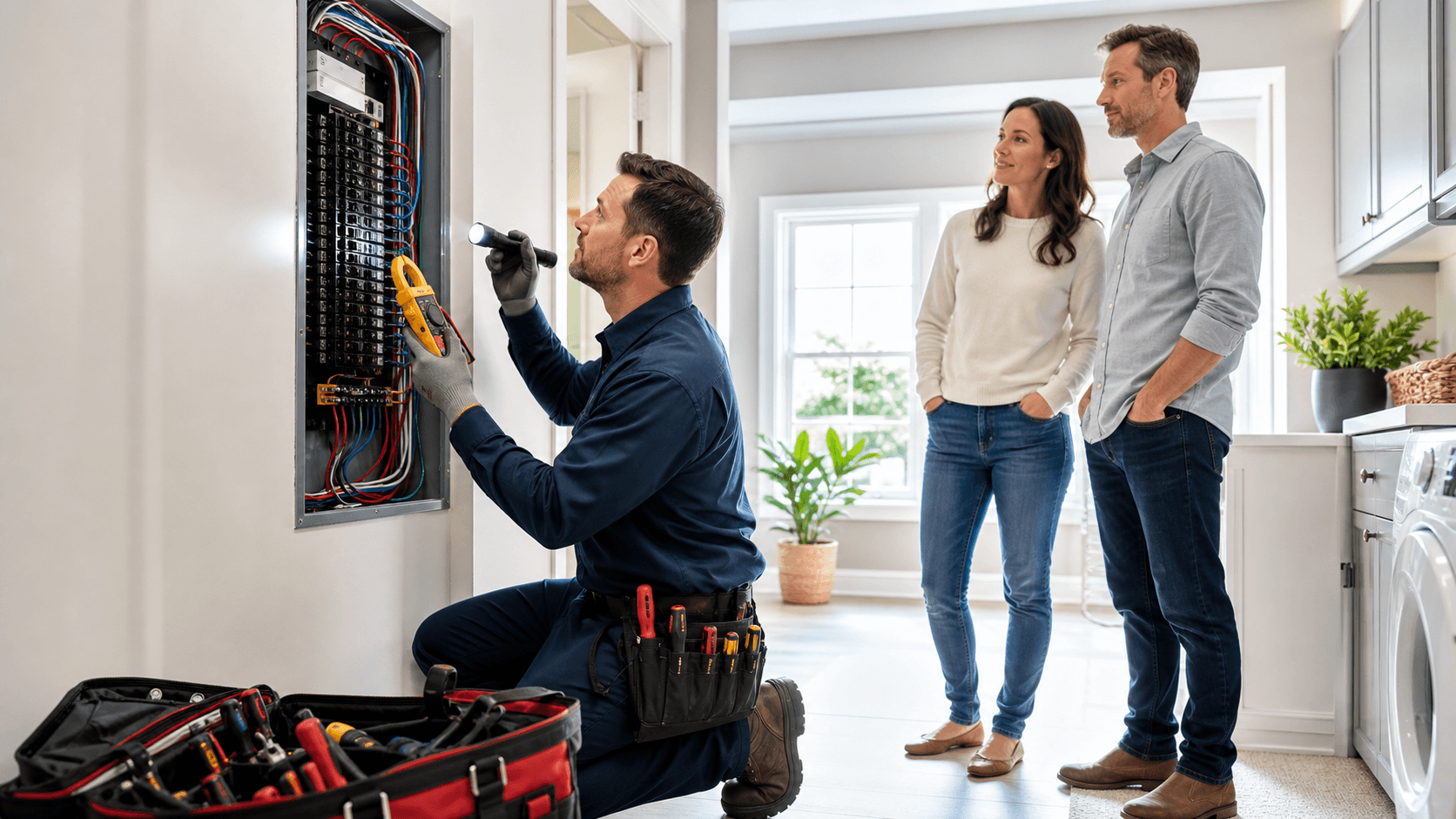
Many people picture a generator as just a box in the yard, but there is much more to a proper installation. It starts with sizing and load assessment. A master electrician will:
- Review your electrical panel and available capacity
- Talk with you about which appliances and systems must run in an outage
- Look at HVAC size and type, water heating, cooking, and well or sump pumps
From there, we can recommend a generator size that matches your real needs instead of guessing. Too small, and you will trip it every time the AC kicks on. Too large, and you may pay more than you need for fuel and equipment.
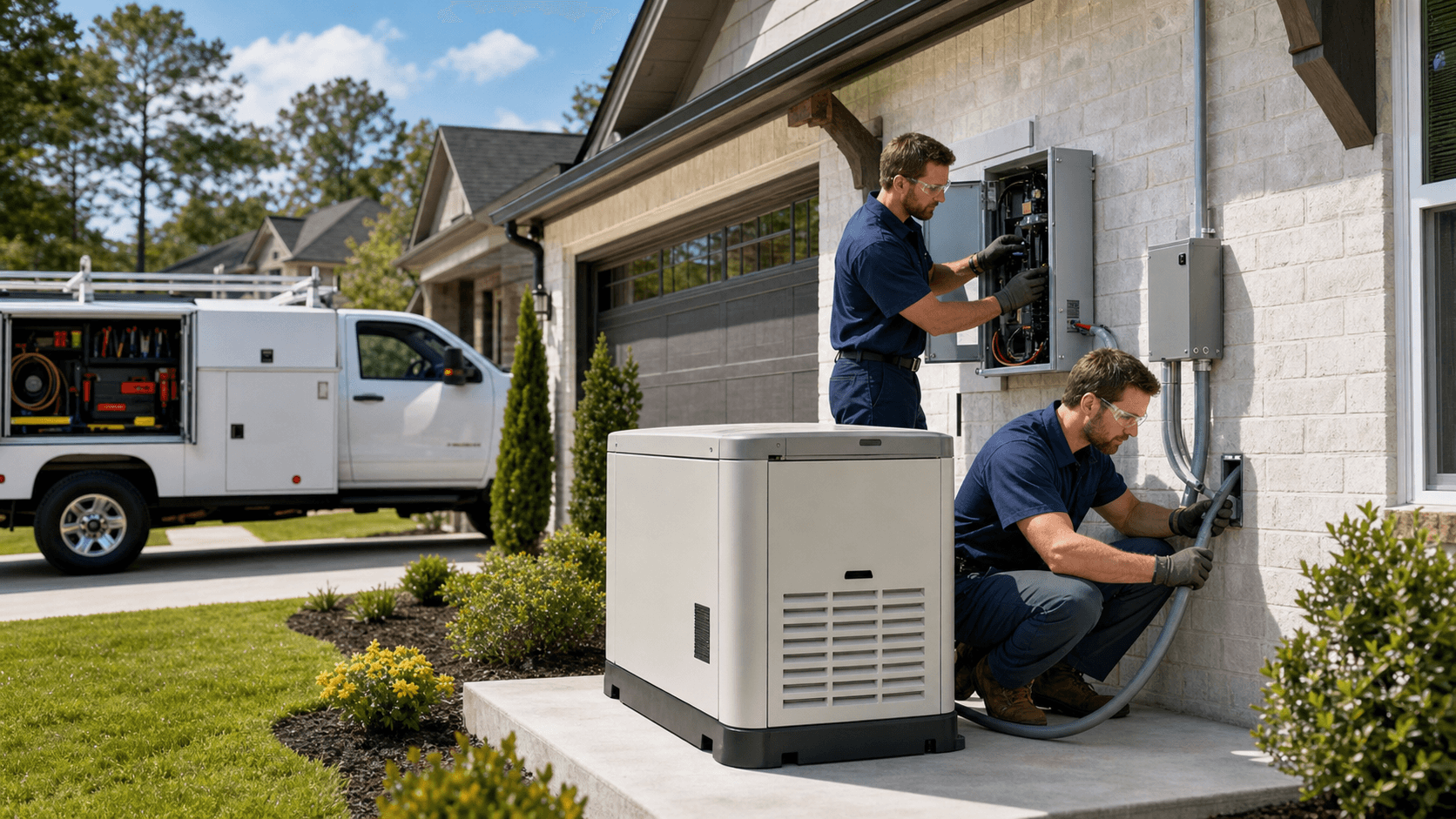
Next comes fuel, placement, and permits. Most whole-house generators use either natural gas or propane. The right choice depends on what is already at your home, local fuel access, and how much run time you want before refilling. The unit must be placed outside in a spot that respects:
- Local codes in the Trussville area
- Manufacturer clearances from doors, windows, and walls
- Safe exhaust paths away from living spaces
Permits and inspections are usually required, both for electrical and gas connections. A professional installer handles this process so your system is safe and code compliant.
A key part of a standby system is automatic operation. An automatic transfer switch constantly monitors utility power. When it senses an outage, it tells the generator to start and switches your home over within seconds. When utility power comes back, it switches you back and shuts the generator down. To keep that reliability over the long term, generators need regular care like oil changes, filter replacements, and test runs under load. A professional maintenance plan helps catch problems early, long before the next storm hits.
Choosing the Right Generator Partner in Greater Trussville
Who you choose to install and support your generator is just as important as the equipment itself. Working with a master electrician gives you a higher level of skill and attention to safety. Proper grounding, correct wire sizes, and neat panel work are not optional. They protect your home, meet code, and support the warranties that come with your generator and related equipment.
Different properties also have different priorities. A home may focus on HVAC, refrigeration, and a few lights. A small office might care more about computers, servers, and security systems. Light industrial spaces may need support for specific machines or ventilation. Experienced electrical pros can design systems that match these needs instead of trying to force a one-size-fits-all setup.
Clear communication is important too. A good partner will explain your options in plain language, walk through what a system can and cannot power, and help you understand how the installation will affect your home during the work. Having a local team that knows the Trussville area, local codes, and utility patterns means you are not left guessing when you need help in the future.
Take the Next Step Toward Reliable Home Power
If you are thinking about whole-house generator installation, start by looking back at your own outage history. How many times have you lost power in the last few seasons? How did that affect your comfort, your work, and your sense of safety at home? Then consider what the next summer storm season or winter cold snap might look like if the grid went down again.
For homeowners across Greater Trussville, planning ahead makes a big difference. Whole-house generator installation is not a quick gadget purchase; it is a long-term upgrade that supports your daily life when the unexpected happens. By talking with a qualified electrical professional, you can understand your options, find the right system for your home, and have it installed and tested before the next major weather event rolls through.
Get Started With Your Project Today
If you are ready to protect your home from unexpected outages, our team at Massey Electric can help you plan the right whole house generator installation for your needs and budget. We will walk you through equipment options, placement, and permits so everything is handled correctly from day one. Reach out today so we can schedule your consultation and get your installation on the calendar.