What an Electrician Really Sees in Your Home
When I walk into a typical Trussville house, I see the same things you do. Couch, TV, kitchen, kids' shoes by the door. But that electrician brain doesn't really shut off, so I also notice the little electrical details in the background.
This isn't about judging anyone. Most homes have quirks, and a lot of them are harmless. But as a residential electrician in Trussville, I see the same patterns again and again: small issues, old habits, and easy fixes that can keep you safer and more comfortable. I'll walk you through what I quietly look at outside, in your main rooms, at your panel, and in the "forgotten" spots, and help you get a feel for what actually needs attention and what can usually wait.
I'm licensed and bonded, I pull permits when they're needed, and I make sure the work passes inspection. It's just me on every job. I'd rather do five jobs right than fifteen I can't stand behind.
What I Notice Before I Even Step Inside
Before I ever touch your front door, I'm looking at how power gets to your home. The service coming in, the meter, and the outdoor gear tell me a lot.
Outside, I usually glance at:
- Service mast and weatherhead
- Meter base and conduit
- How the service drop or lateral comes into the house
Common things I see:
- Conduit pulling away from brick or siding
- Rust on the meter base or fittings
- Service wires hanging lower than they should
Why it matters is simple: if water gets into that equipment, it can end up in your panel. Storms can shake loose parts even more. In some cases, if things are in bad shape, the power company may not reconnect after an outage until it's repaired.
I also notice exterior lights and outlets. Porch lights full of bugs, fixtures barely hanging on, floodlights that never point where you need them. Outside outlets with missing covers or old covers that don't close. Extension cords running out to sheds or yard tools like they're permanent wiring.
These small problems can turn into:
- Breakers that trip for "no reason"
- Lights that burn out early
- Outlets that let in water
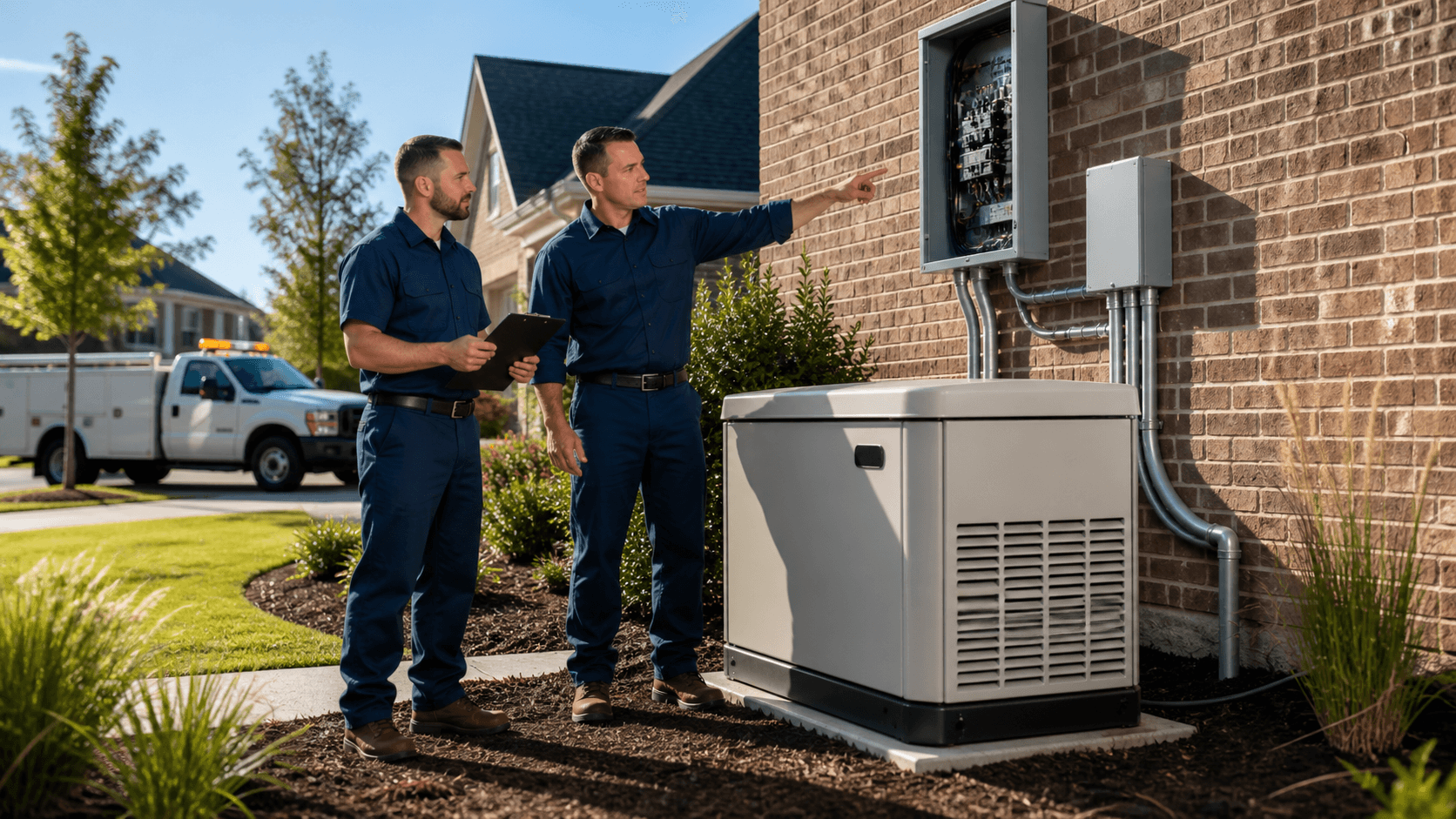
If I spot a portable generator sitting in the garage or on the back patio, my brain jumps to how you're using it. Cords through a window, trying to plug into a dryer outlet, or any kind of homemade hookup is a quiet red flag.
A proper inlet and transfer switch or interlock lets you:
- Feed chosen circuits safely
- Keep linemen and your equipment safer
- Make storm days a lot less stressful
That's the kind of setup where we pull the right permit, wire it to your panel, and make sure it'll pass inspection and work the way you expect when the weather gets bad.
The Living Room and Kitchen Story Your Wiring Tells
Inside, the living room almost always tells on the house. Under the TV, I see:
- Three power strips plugged into each other
- Game systems, streaming boxes, chargers, speakers
- One lonely wall outlet doing all the work
That's how you end up with warm outlets, tripping breakers, or lights that flicker when someone plugs in "one more thing." The real fix usually isn't a bigger strip. It's more outlets or better circuits where you actually use power.
Same thing in home offices and kids' rooms. The original wiring was set up for a lamp and maybe a TV. Now you've got PCs, printers, multiple monitors, chargers, and more.
When I see that, I'm thinking about:
- Adding dedicated circuits where they make sense
- Spreading out the load
- Cleaning up the rat's nest of cords
In the kitchen, I can tell a lot just by glancing at your counters. Coffee maker, toaster oven, air fryer, blender, maybe a portable cooktop, all sharing a couple of outlets. If I see no GFCI near the sink, cracked covers, or loose outlets that move when you unplug something, that jumps to the top of the list.
Typical kitchen work looks like:
- Adding small appliance circuits so you're not popping breakers
- Updating to GFCI protection near sinks and wet areas
- Replacing worn outlets and switches
- Straightening out old handyman or DIY work
Lighting tells its own story. Can lights that flicker, buzzing dimmers, and dark corners where your family actually hangs out are signs the lighting doesn't match how you live now. Old recessed cans with random LED bulbs don't always play nice.
A few simple tweaks, like:
- Matching dimmers to your LEDs
- Swapping old trims
- Adding or moving a couple of fixtures
can make the house feel calmer and brighter without a full remodel.
What Your Electrical Panel Is Trying to Say
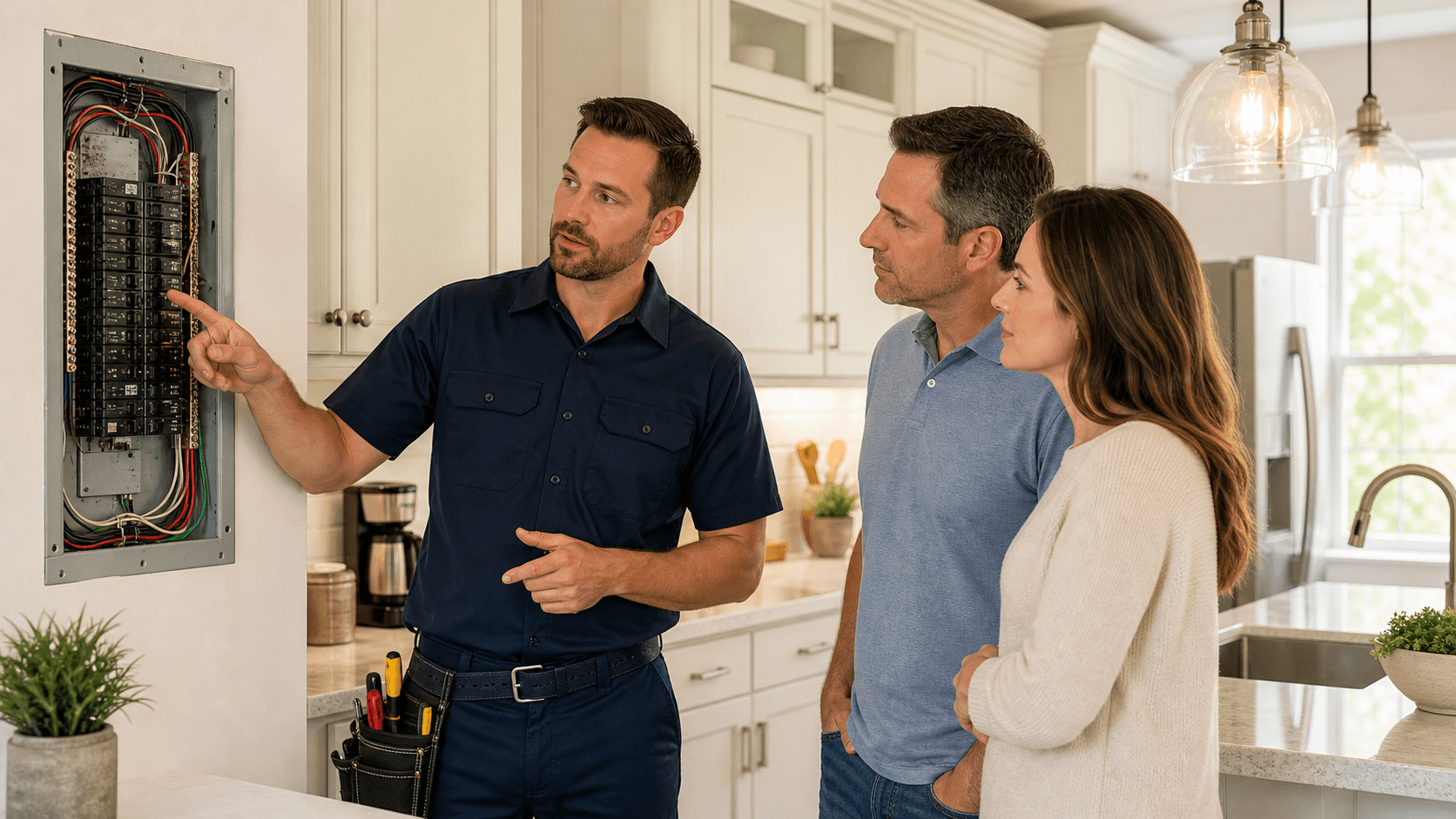
When I open your panel, I'm not just staring at breakers. I'm reading the history of the house.
First thing I look at:
- Brand and age of the panel
- Signs of overheating or burn marks
- Double-tapped breakers (two wires under one breaker screw)
- Rust, moisture, or corrosion
Some panels make every electrician a little tense, especially if they're old problem brands or have obviously been stuffed past their limits. When you say, "That breaker only trips sometimes," I match that story with what I see inside. Random tripping can mean loose connections, overloaded circuits, or tired breakers.
Breaker labeling tells me how the house has been treated. Half the panel labeled "lights?" or "maybe outlets," with a few "spare" breakers that are clearly in use, slows everyone down in an emergency.
Telltale DIY signs include:
- Mismatched breaker styles
- Strange wire colors for certain circuits
- Wire nuts crammed under the panel cover
- Open holes where knockouts should be
Cleaning this up usually means tracing circuits, tightening connections, and labeling in plain English. You should be able to know what shuts off the fridge without guessing.
In the background, I'm also checking grounding and bonding. That's just making sure the system has a good path back to the panel and out to the ground, and that it's tied in the right way to things like your water or gas piping when required.
Good grounding isn't just a code word. It's how breakers trip the way they're supposed to, and how surges try to leave your house instead of running through your electronics.
This is also when I'll often talk about whole-house surge protection, since we're already standing in front of the gear that protects everything else.
Bedrooms, Bathrooms, and the Little Things That Add Up
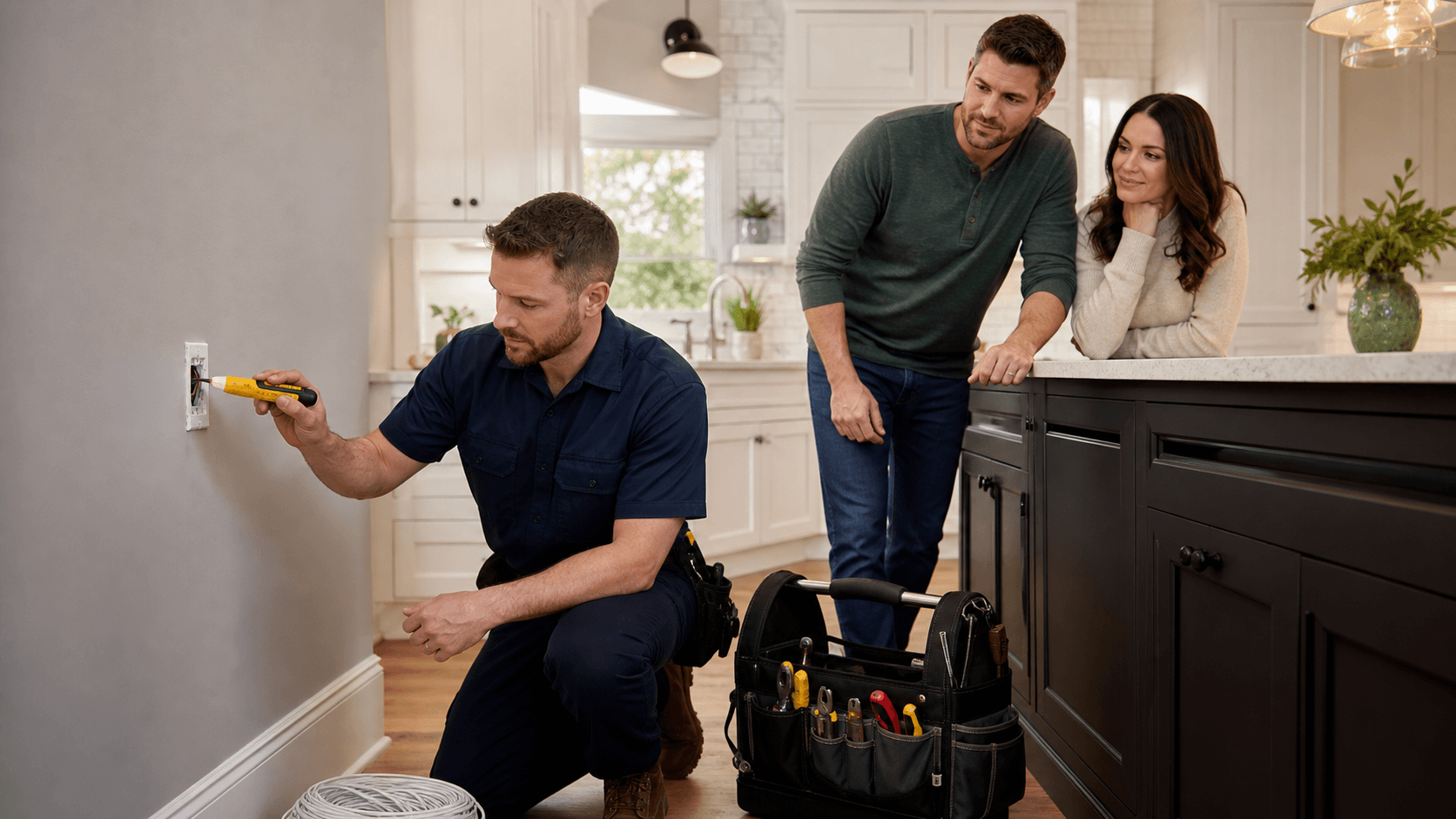
Bedrooms and bathrooms are full of "it still kind of works" stuff. The loose outlet where phone chargers fall out, or the switch you have to wiggle to get the light on, usually means the parts inside are worn.
That can lead to arcing and heat right where you don't want it. The fix is often simple:
- Swap out tired outlets and switches
- Tighten up boxes so devices don't move
- Add proper support so covers don't crack
In bathrooms, I listen and look. A loud fan that barely moves air, a mirror that stays foggy forever, lights rusting over the shower, or outlets with no GFCI protection all tell me moisture isn't being handled well.
I often find fans venting into the attic instead of outside, or fixtures that were never meant for damp spots. Those things can lead to mold, peeling paint, and nuisance trips.
Sleep areas are where I think about quiet, steady power.
Common bedroom red flags:
- Ceiling fans that hum or wobble
- Flicker when dimmers are turned low
- Window AC units running on skinny extension cords
- Space heaters on overloaded strips
I'm thinking in terms of fewer cords, dedicated circuits where it makes sense, and solid connections, so your bedroom feels calm and safe even when a lot's running.
Storms, Heat, and Power When You Need It
Around late summer in Alabama, my mind goes straight to late-summer storms and heat. When I walk through a home, I notice how you're set up for outages. Battery lanterns by the door, stacks of candles, small generators, portable fans, or window units all tell me how you tend to ride out a long outage.
Most homes I see get by with extension cords through doors or windows, running a fridge, freezer, and maybe a fan. That works for a short time, but it gets old fast and it can be risky. Cords can overheat, doors won't close right, and you're always choosing what to unplug.
A proper generator setup usually looks like this:
- Outdoor inlet wired to your panel
- Transfer switch or interlock so you can't backfeed the grid
- A few key circuits picked on purpose, like fridge, some lights, maybe HVAC or at least a bedroom and a window unit
When I talk with homeowners, I walk through a simple question: if the power's out for two days in August, what absolutely has to run? Once you answer that, I can match it to what your panel, wiring, and generator can really handle, so you're not guessing when the wind picks up.
Walking Through Your Own Home With "Electrician Eyes"
After reading this, you can walk through your own home with electrician eyes. Look at the outside service, the panel, the overloaded spots, the tired outlets and switches, the bathrooms, and any generator gear.
You don't need to know all the technical terms. If something looks rough, feels hot, trips often, smells funny, or needs a jiggle to work, that's your house asking for a little attention from a pro.
If you'd like me to take a look and go through your home the same way, give me a call or book a time online. I'll come out myself, walk it with you, and tell you straight what needs fixing now and what can wait.
Get Started With Your Project Today
If you are ready to upgrade your home's safety, comfort, and efficiency, our team at Massey Electric is here to help. Schedule service with a trusted residential electrician in Trussville, AL and let us handle everything from troubleshooting to full-home wiring projects. We will walk you through your options, provide clear pricing, and complete the work with careful attention to detail so your home's electrical system is built to last.