What Homeowners Should Know Before Calling an Electrician
Electrical problems at home rarely start big. A light flickers, a breaker trips every so often, an outlet stops working in the kitchen. It's easy to ignore it for a while, until that small annoyance turns into something you can't work around anymore. That's usually when the call gets made.
My goal here's simple. I'm going to walk through the most common electrical repair calls I see in Trussville homes, what they usually involve, about how long they take, and when they move from "annoying" to "this might be an emergency." I'm the owner, and I'm on every job. You're not getting a rotating crew. You're getting one licensed and bonded master electrician who knows your house from start to finish. If something in this list sounds like your home, you'll have a better idea of what's going on before you pick up the phone.
A quick word on safety: if you smell burning, see smoke, or sparks, feel heat on a device, or aren't sure what you're touching, stop. Turn that breaker off if you can do it safely, don't keep flipping it back on, and call a pro. Google's not worth getting shocked over.
Outlets, GFCIs, and When They're Serious
Dead outlets along one wall or in one room are one of the most common calls. Most of the time the causes are pretty simple:
- Loose connections in the box
- Worn-out receptacles
- Backstabbed wires that have failed
- A tripped GFCI upstream that feeds other outlets
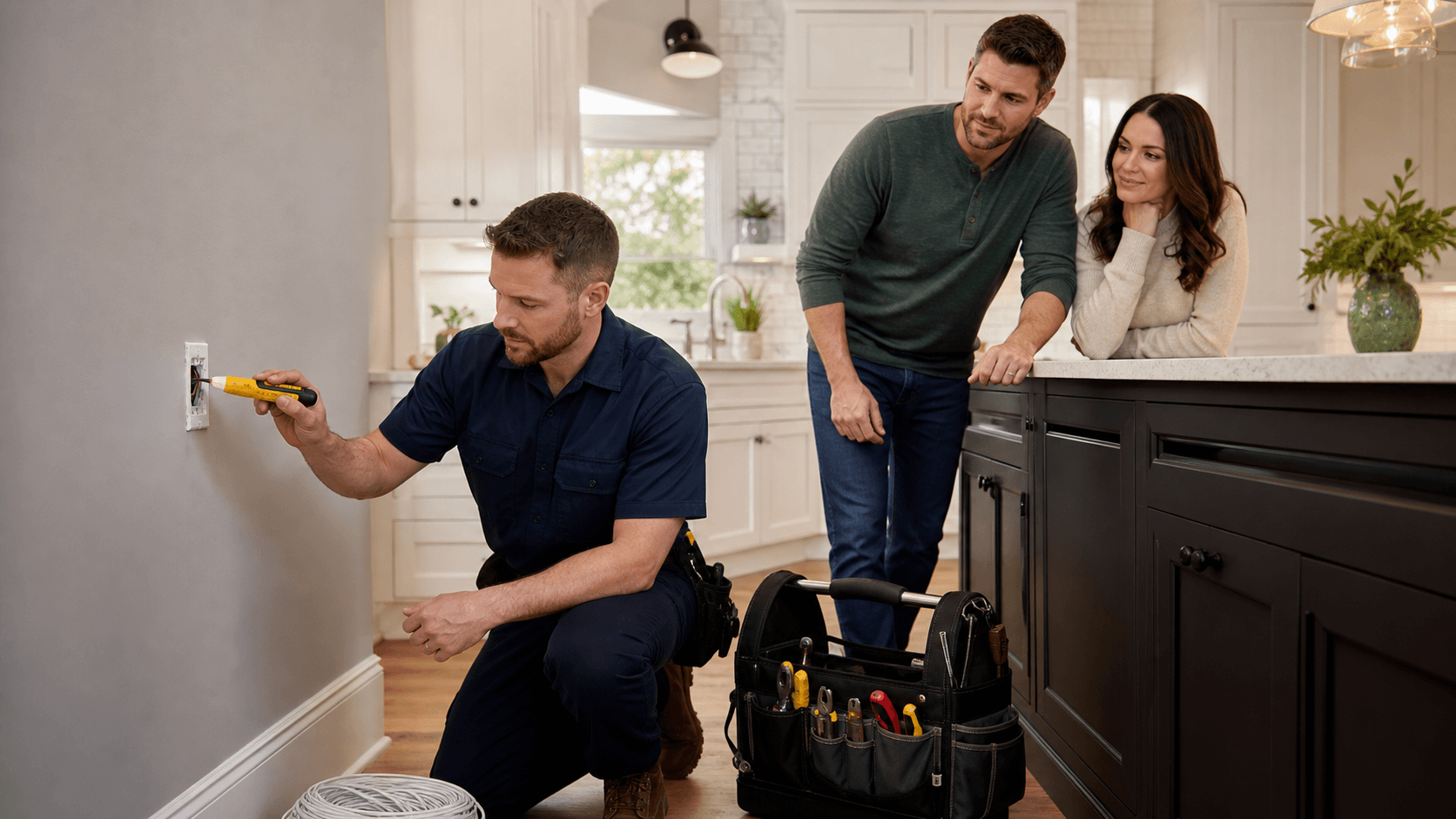
On a normal visit, I test the outlet, open the box, tighten or remake connections, and replace worn devices. I also check the rest of the circuit so the problem doesn't just pop up again. For a straightforward outlet issue in a typical Trussville house, that kind of troubleshooting usually fits in a shorter visit as long as the wiring's in decent shape and the walls aren't hiding surprises.
It becomes more serious if:
- The outlet or cover feels hot to the touch
- You see scorch marks or melted plastic
- There's a burning or fishy smell
If any of that shows up, stop using that outlet, unplug anything in it, and flip the breaker off if you know which one it is.
GFCI outlets that keep tripping show up a lot in kitchens, bathrooms, garages, and outside. Constant tripping can mean:
- A real ground fault on the load side
- Moisture getting into boxes or covers
- A tired old GFCI that's just aged out
- Too many things tied to one GFCI circuit
I'll usually test the GFCI itself, check downstream outlets, and look for moisture or damage before I even think about swapping parts. That type of call normally fits in the shorter range too, unless the fault's buried further along the run. Safe checks for a homeowner are limited to hitting the reset button and unplugging things on that circuit. If it trips again right away, don't keep resetting it all day; it's time to have it checked.
Panels, Breakers, Lights, and Fans
A single breaker that won't stay on is another everyday repair. Common causes include:
- Overloaded circuits with space heaters or window AC units
- Too many kitchen appliances on one circuit
- Loose connections on the breaker or neutral bar
- Damage in the wiring on that run
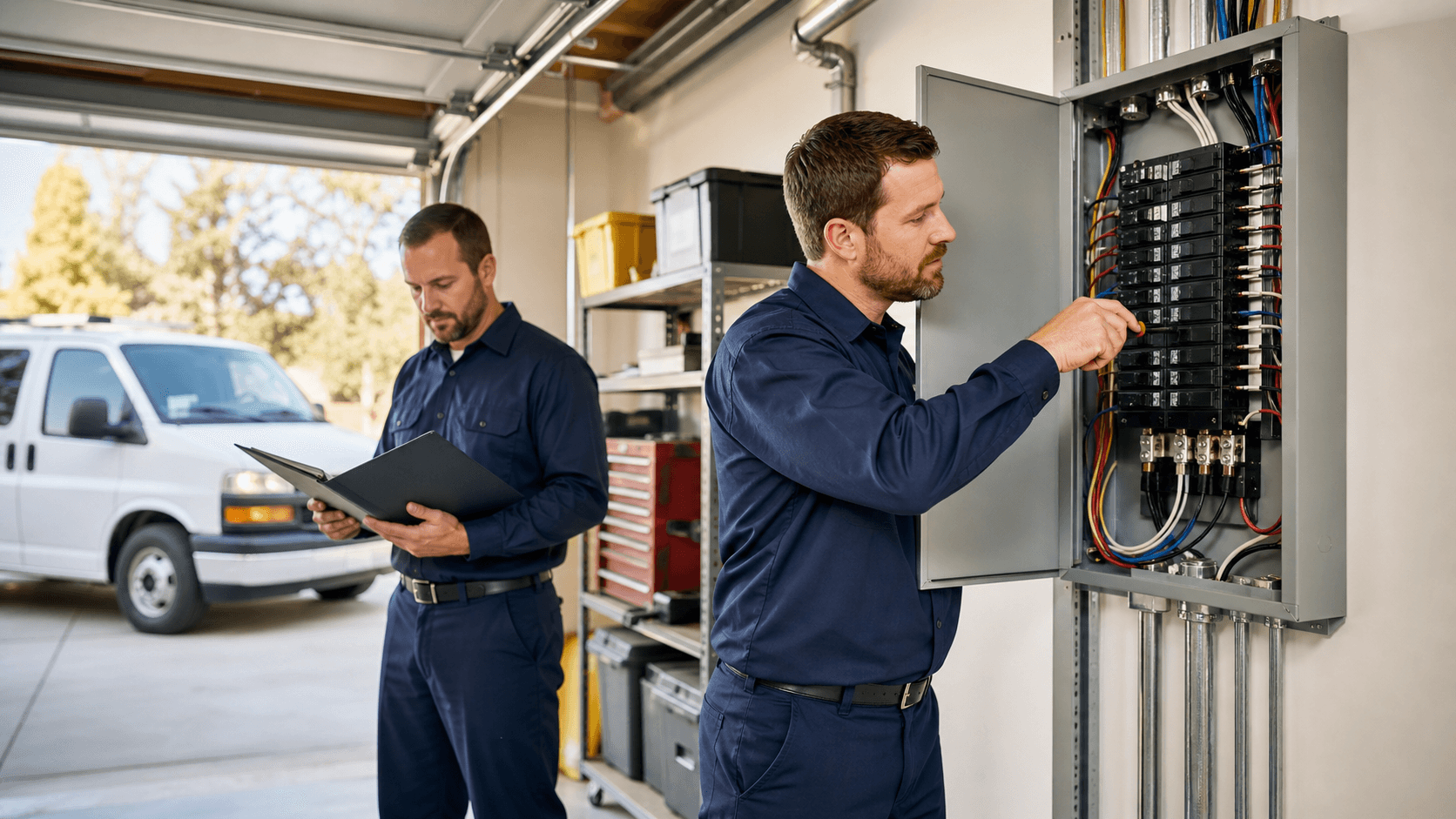
A normal service call for this starts with a load check, then I tighten connections, inspect the panel, and test sections of the circuit. A simple overload or loose lug can be tracked down pretty fast. If I have to hunt through multiple junction boxes or attic runs, the time can stretch out.
Main panel concerns are more serious. Pay attention to:
- Buzzing or crackling sounds from the panel
- Breakers or the panel cover that feel hot
- Whole sections of the house dimming when big appliances start
That's when it moves from "annoying" to "go shut it off and get it checked." Work that goes beyond a quick breaker change, like panel repairs or upgrades, usually needs permits and inspections so it's safe and up to code. A lot of electrical repair in Trussville, AL ends up in or around the main panel, especially in older homes with more modern appliances than the panel was built for.
Flickering or dimming lights can be simple or not. Sometimes it's just:
- A bad or loose bulb
- A worn switch or dimmer
- A loose neutral in a box
Other times it points to a larger service issue. I usually start with the easy checks, then test at the switch, fixture, and panel. That kind of troubleshooting in one room doesn't usually take long. It becomes more urgent if the flicker hits multiple rooms or the whole house, or lines up with big loads starting.
Ceiling fans that wobble, hum, or just quit are also common. Repairs or replacements are often a fast job, but the key's having the right fan-rated box and bracing in the ceiling. That's not just about noise, it's about a heavy fan not working loose over time. Swapping a light fixture's often a quick, same-visit job too. It can turn into a longer project if the existing box isn't rated for the new fixture weight, or if I need new wiring or support.
Switches, Appliances, and AC Power Problems
Switches that feel hot, crackle, or only work sometimes aren't normal. Most of the time the issue is:
- Worn contacts inside the switch
- Loose or backstabbed wiring
- Cheap dimmers trying to control the wrong type of light, like LEDs on an old dimmer
Tracking down and replacing a bad switch or dimmer can be quick, but I also check the box and connections feeding it. If a switch is making noise or getting warm, turn it off and leave it off until it's checked.
Three-way switches, like at the top and bottom of stairs, get wired weird over the years. They end up working "backwards" or only in certain positions. Sorting those out in a newer house is usually simple. Older houses can take a little more time, especially if other work's been added over the years.
Dimmer upgrades are common now that most people are on LED bulbs. Matching dimmers to the right bulbs keeps them from buzzing or flashing. Updating a handful of switches to proper LED dimmers is usually a small visit, as long as the boxes have enough space and the wiring's straightforward.
Dryers and ranges that won't heat or turn on bring a lot of service calls. The first step's figuring out if it's the appliance or the 240-volt circuit. I check the receptacle, breaker, and connections before blaming the unit. A basic diagnostic like that usually fits in a shorter visit unless I find damage in the cable run.
AC or heat that keeps tripping breakers shows up a lot in hot weather around here. Resetting the breaker over and over isn't the fix. On those calls I check breaker size, wire size, connections at the disconnect, and panel condition. If the unit's drawing more than the wiring and breaker are set up for, that can become urgent pretty fast and shouldn't be ignored.
New appliance hookups, like an oven, cooktop, or EV charger, sometimes show that the existing panel or wiring isn't up to the load. Upgrades in that area often need permits and inspections so everything passes and you're not redoing it later.
Outdoor Power, Time on Site, and What's an Emergency
Outside outlets and lights take a beating. Common problems include:
- Weather getting into boxes or covers
- Worn or broken in-use covers
- Failed outdoor GFCIs
- Damage from lawn tools or landscaping
Finding and fixing these typically fits in the shorter to medium time range, unless I'm tracing buried or long exterior runs. Outside outlets today are supposed to be GFCI protected, so I always make sure that protection's in place.
Garage circuits get loaded up with tools, freezers, chargers, and more. Many Trussville garages share circuits with other parts of the house, so trips show up sooner. A repair or upgrade there might mean adding circuits, changing devices, or moving loads around, which can stretch into a medium or larger visit depending on the layout.
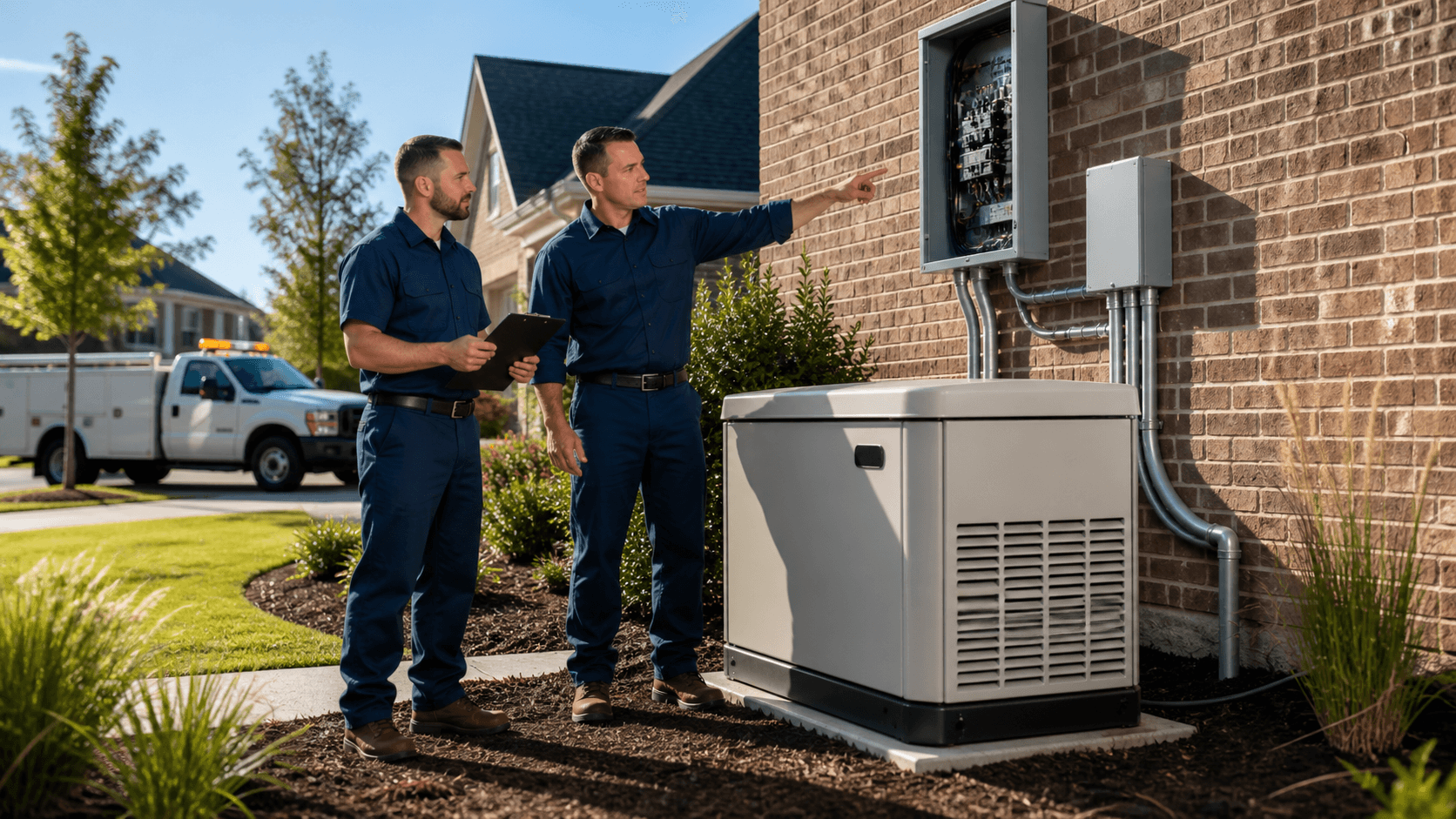
Generator issues show up before and after storms. The common calls are:
- Testing existing transfer switches
- Fixing old or questionable hookups
- Correcting unsafe DIY cords and connections
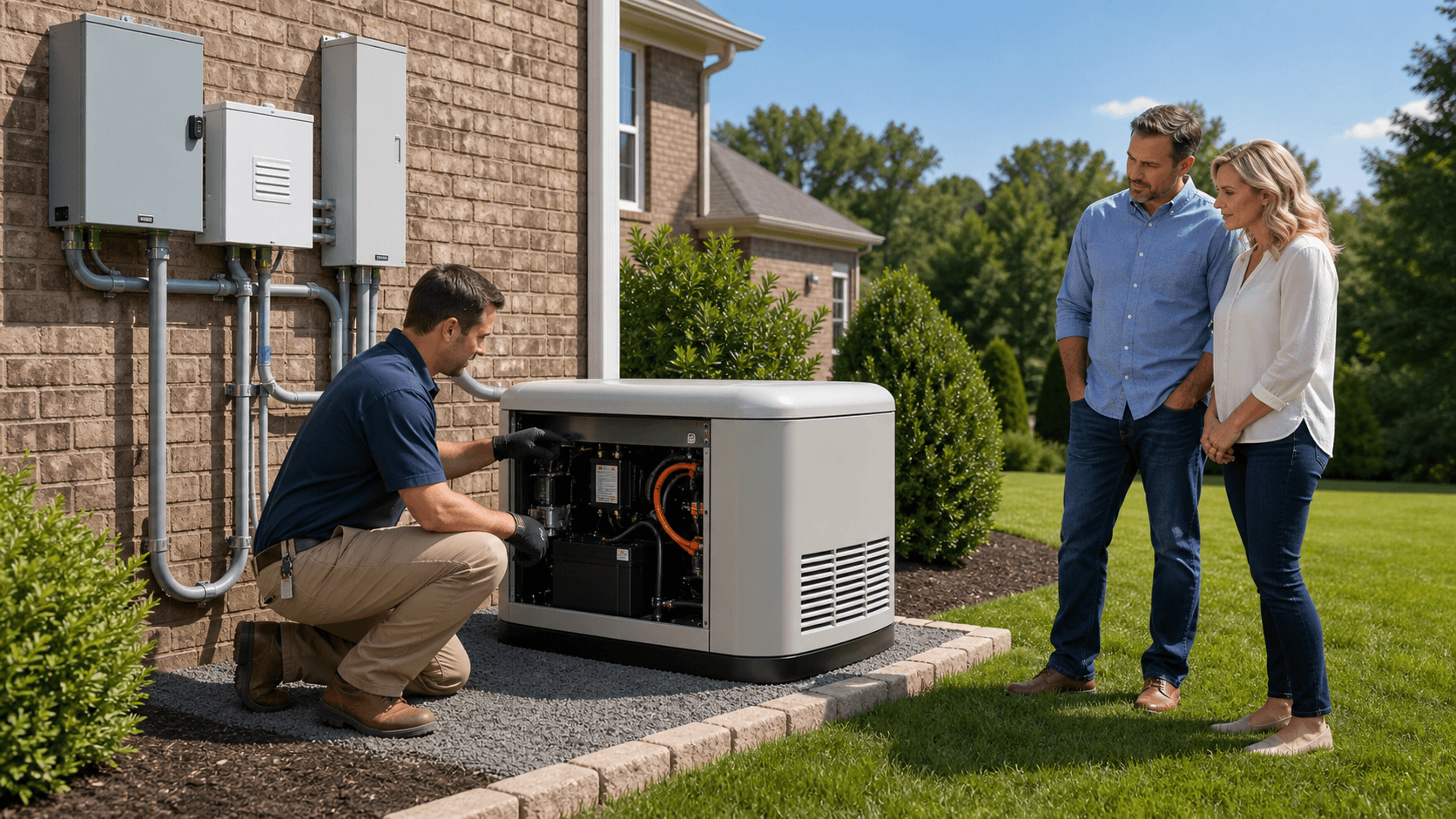
Some generator checks can wait for normal scheduling, especially if the power's on and storms aren't in the forecast. If a storm's coming or the power's already out, that jumps higher on the list. Permanent generator installs and transfer switch work should be handled by a licensed and bonded electrician, with permits and inspections where they're required.
Most electrical repair in Trussville, AL falls into a few time ranges:
- Quick fixes, roughly one to two hours: a simple outlet or switch repair, a single light fixture, basic troubleshooting in one area
- Medium jobs, around two to four hours: several outlets or switches, small panel work, a few fixtures or ceiling fans
- Larger visits, half day to full day: panel changes, multiple circuit issues, generator or major appliance wiring
Every house is different, but time on site's a good rough guide. The focus at Massey Electric is on pulling permits when they're needed, passing inspections, and doing the work right the first time. We'd rather do five jobs right than fifteen we can't stand behind.
If something here sounds like what you're dealing with, call and I'll come take a look.
Phone: (205) 451-5205
Book a free estimate online: masseyelectricllc.com/book-online
Website: masseyelectricllc.com
Get Started With Your Project Today
If you are noticing flickering lights, frequently tripped breakers, or outlets that are not working properly, our team at Massey Electric is ready to help. Schedule professional electrical repair in Trussville, AL so we can troubleshoot the issue and complete safe, code-compliant fixes. We work around your schedule, explain your options clearly, and provide upfront pricing. Let us take care of the electrical problems now so you can avoid bigger, more expensive issues later.