Why Your Trussville Generator Needs More Than a Last-Minute Call
Getting a standby generator put in at your house isn't a same-week project. If you wait until storms are already getting named and headed our way, you're going to be in line with everyone else who waited too. In Trussville and around Greater Birmingham, there are estimates, permits, power company coordination, gas work, and inspections that all have to happen in the right order.
I'm going to walk you through what generator installation in Trussville, AL, really looks like from the first visit to the final inspection. The goal's simple: you know when to start, what slows things down, and how to keep from sitting in the dark while your paperwork's still sitting on someone's desk.
From First Visit to Final Plan
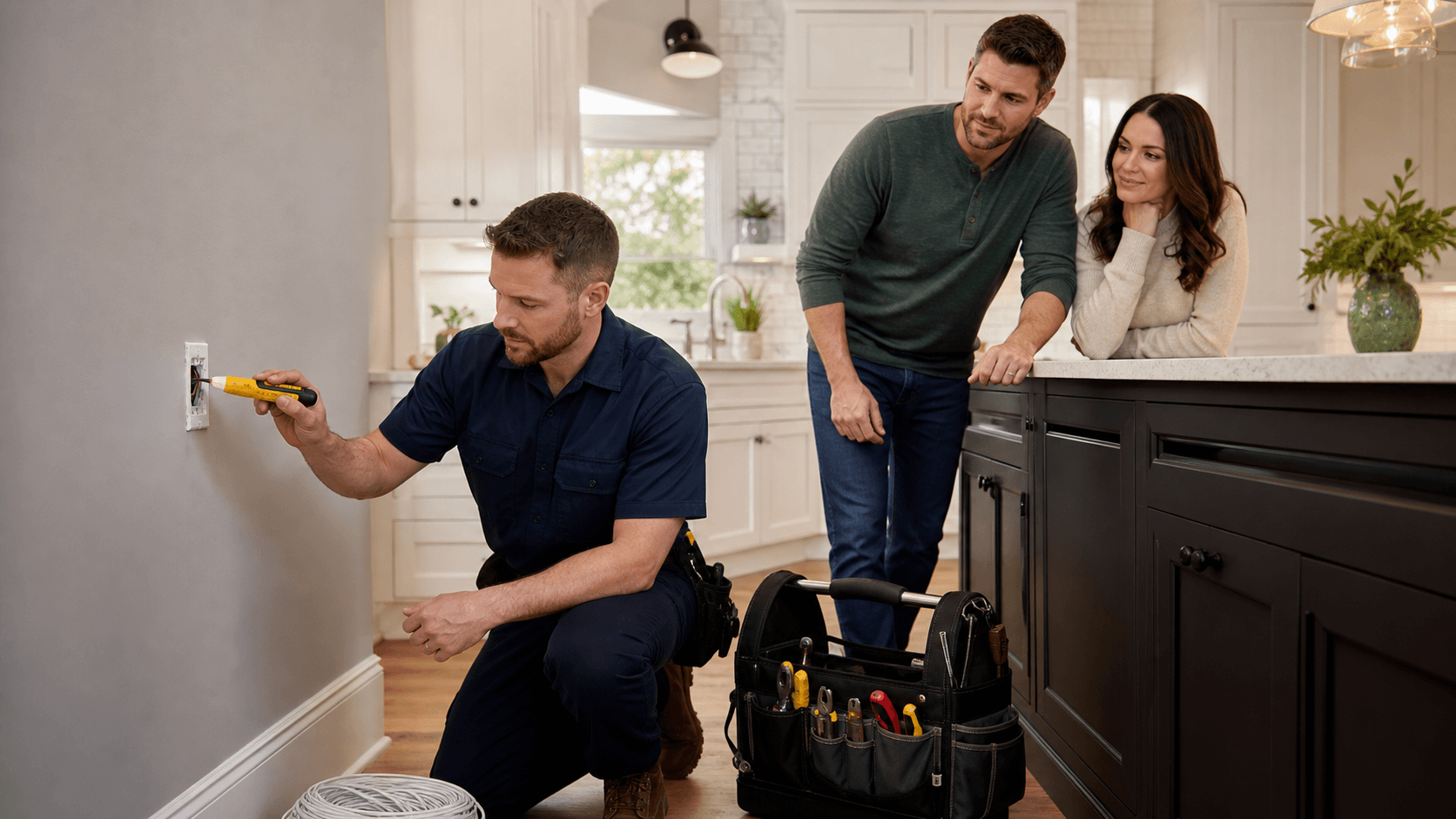
Before anything gets ordered or installed, we start with a site visit and a real estimate. I don't give one-size-fits-all quotes over the phone, because every house's different. I need to see your electrical panel, your gas meter or propane setup, and where the generator can safely sit.
During that visit, we usually walk through a few things together:
- What you want to run in an outage, whole house or just the important stuff
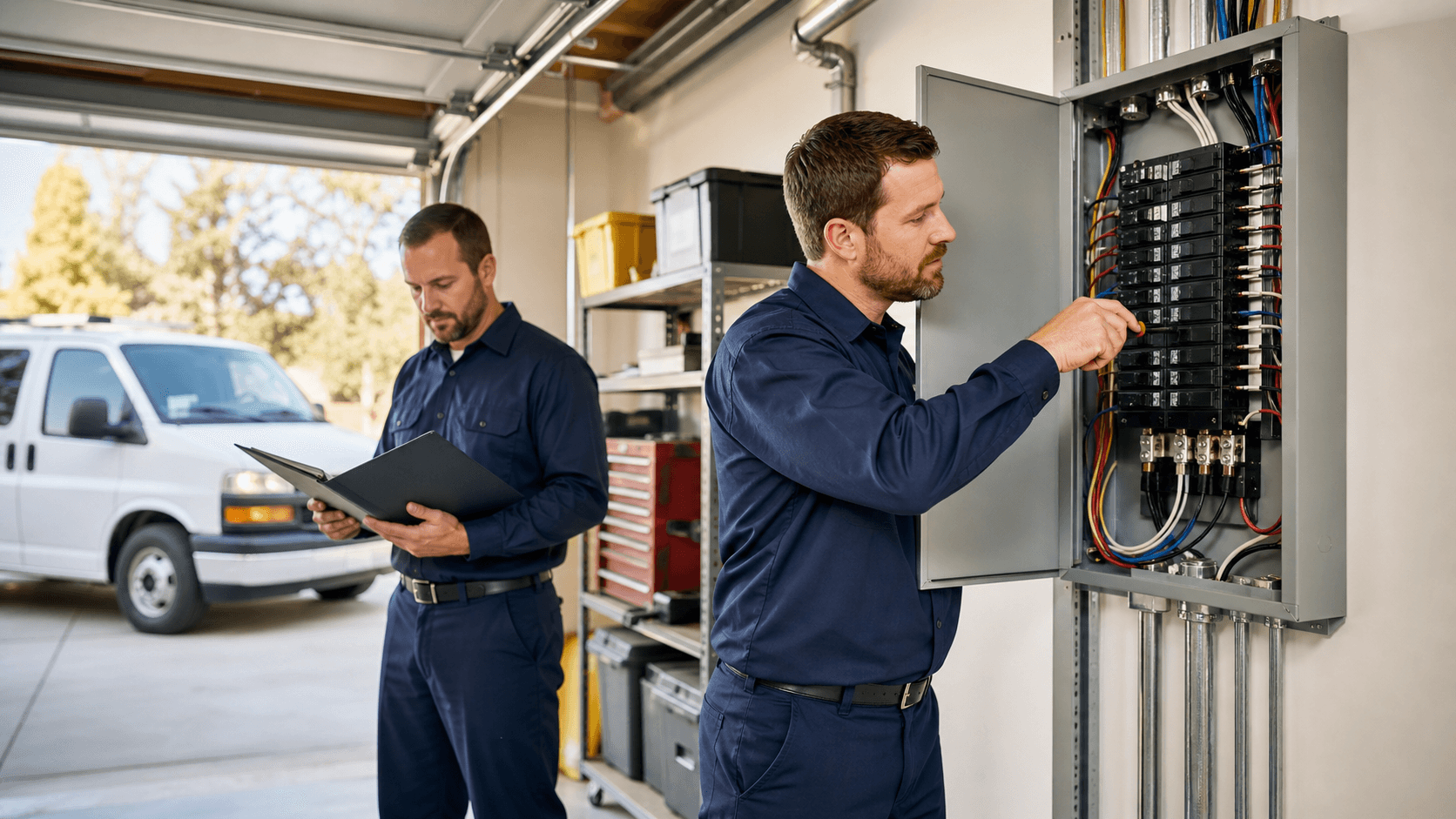
- The size and condition of your main panel and service
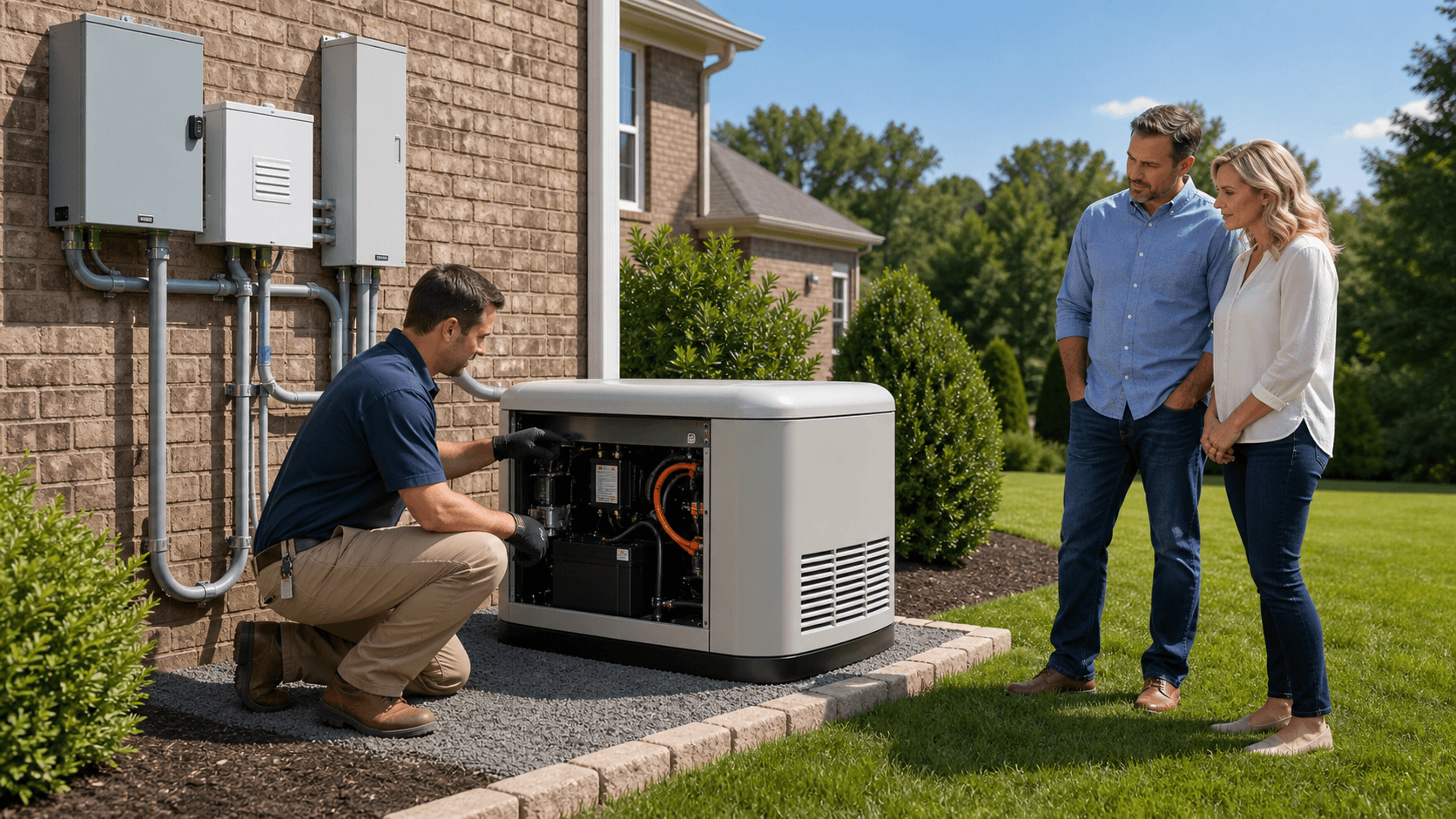
- Where a generator can go, with safe clearances and good access
- Noise and neighbor concerns, so it isn't buzzing under someone's bedroom window
The visit itself doesn't take long, but during busy times like storm season or big football weekends, it can still be a week or two before we can get that first look on the calendar. When I leave, you'll have a clear plan, a rough timeline, and an honest talk about what makes sense for your house. Not just, "Here's the biggest unit on the shelf, you should buy it."
Once you know what you want to run, we move to picking the right generator and locking in the layout. Bigger isn't always better. Too big and you spend more up front and on fuel. Too small and it'll struggle when everything tries to start at once.
On the electric side, we sort out:
- Whether your existing panel can handle a generator tie-in
- If you need a panel upgrade or subpanel for your backed-up circuits
- Where the transfer switch or automatic transfer panel should go
On the gas side, we look at:
- Natural gas vs propane, and what you already have in place
- The route for the gas line from meter or tank to generator
- Gas capacity, especially if you already have things like a gas range or gas heat
Some generator models can have a wait if everybody's trying to buy the same thing at once. That's why waiting until the first storm watch pops up is a bad idea. Once you pick a unit size and we agree on where everything goes, I can put together the drawings and details the city wants for the permit.
Permits, Power Company, and The Waiting Gaps
Trussville and the surrounding areas don't treat standby generators like plugging in a window fan. A permit's usually required so the work's safe, inspected, and on record for when you sell your house or make changes later. That protects you and anyone who owns the place after you.
Here's how we usually split things up:
- I handle the electrical permit, drawings, and talking to the inspector
- You may need to coordinate with your gas company or propane supplier for their part
- If Alabama Power or another utility needs to change something at the meter, I work with them on timing
Permit timing can be pretty quick during a slow season and stretch out during storm season when everyone's piling into the same office. It might be a few days, or it might take a couple of weeks. If the power company has to be involved for a service change or meter work, that can add more time if we don't plan ahead. The earlier we start the process, the better our chances of getting on everyone's schedule before they get slammed.
What Installation Day Really Looks Like
By the time install day shows up, the design's set, the permit's in hand, and materials are ready. There are a few simple things that help the day go smoother:
- Clear the area where the generator will sit so we're not moving lawn gear
- Keep pets inside so gates can stay open while we work
- Move vehicles if they block the panel, meter, or driveway access
- Make sure the gas contractor knows the date if they're running the new line that day
On site, the basic steps look like this:
- Set the pad or base where the generator will sit
- Place the generator and get it leveled and anchored
- Run electrical conduit and wire between the generator, transfer switch, and panel
- Tie into your existing panel and label what's on backup
- Coordinate with the gas contractor so the gas tie-in's done safely and correctly
Most standard homes can be wrapped up in a day or two. Larger homes, older panels, or service upgrades can push it a little longer. There's a period where your power has to be turned off so we can safely make the connections. We plan that part, keep that window as short as possible, and let you know before we flip anything off so you're not surprised.
Inspection, Testing, and Final Sign-Off
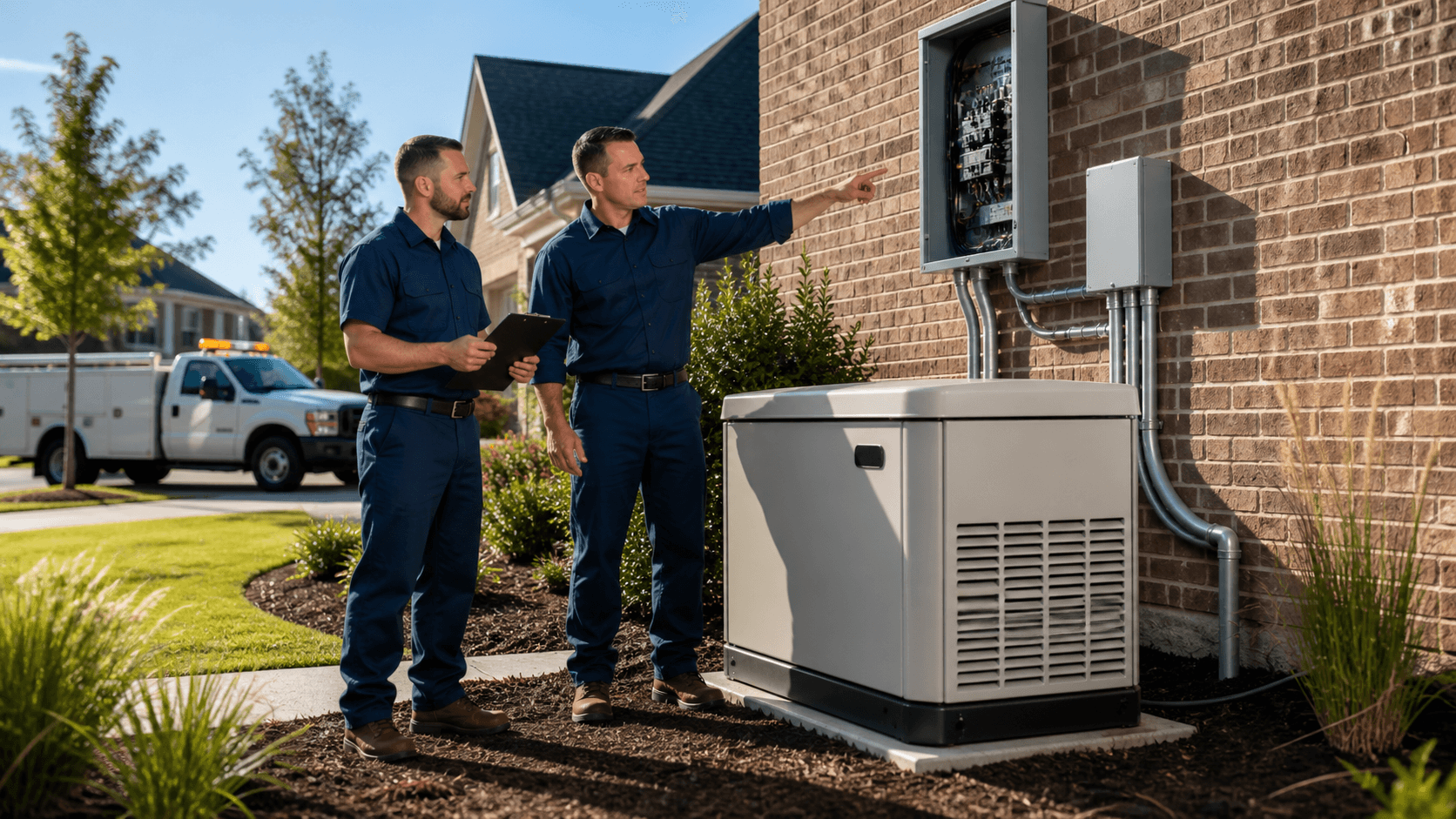
Once everything's wired, piped, and cleaned up, we're still not quite done. The city or county inspector will come out to make sure everything's installed to code and matches the permit. Passing the first time keeps you from owning a generator that has to sit idle because the job isn't officially cleared.
After the inspection, we go through startup and testing. That usually includes:
- Checking gas pressure and leaks on the gas side
- Verifying voltage, wiring, and grounding on the electrical side
- Simulating an outage so the automatic transfer does what it should
- Making sure the generator starts, carries the load you planned, and then switches back smoothly
I also walk you through the basics so you're not guessing later:
- How the system works in normal mode and during an outage
- How often the generator should exercise itself
- Simple things you can watch for, and when it's time to call me or your gas company
In a normal season, from first estimate to final inspection, a generator install in Trussville usually lands in a reasonable window. When you start the process right as storms are already on the radar, every step's fighting other people's schedules. That's when weeks start to stretch.
When To Start Planning So You're Not Left In The Dark
If you want a generator ready for fall and winter storms, late summer into early fall's usually a good time to start the process, not the week a storm shows up on the news. That gives us room to:
- Get a visit done without a long wait
- Sort out your gas plan before anyone digs or drills
- Work through any HOA questions about generator location
- Deal with permits and inspections without asking anyone to "rush it"
The biggest delays usually come from a few red flags: unclear gas plans, last-minute design changes, waiting on HOA approval, or waiting too long to get on the permit list. Since this is a one-man, master-electrician-owned shop, the same person that looks at your panel is the one who pulls the permit, does the work, and meets the inspector. We'd rather do a handful of jobs the right way than stack up a bunch we can't stand behind.
If you're thinking about backup power before the next big outage rolls through, the best move is to start the conversation early, get a real plan on paper, and give all the moving parts enough time to line up. When you're ready to talk about a generator for your place in Trussville or around Birmingham, just give me a call or reach out online and we'll get that first visit on the books.
Get Started With Your Project Today
If you are ready to protect your home from unexpected outages, our team at Massey Electric is here to help you every step of the way. Schedule your professional generator installation in Trussville, AL so we can assess your needs, recommend the right system, and handle the job safely and efficiently. We will work with your schedule, keep you informed throughout the process, and make sure everything is up to code. Reach out today to get reliable backup power in place before the next storm hits.