Why Trussville Homeowners Regret Rushed Generator Jobs
Generator installation in Trussville, AL, comes up a lot when the late summer storms start rolling through and the lights blink a few times a week. Power goes out, food in the fridge is at risk, and everybody starts talking about backup power. It's smart to think ahead, but rushing the job is where people get burned.
What usually happens is someone reads a couple of articles, watches a YouTube video, and decides they already know what size to buy, where to put it, and how to hook it up. Then the real world shows up, and they end up paying twice to fix shortcuts. My goal here is simple: walk you through the most common things homeowners get wrong so you can avoid the mess and have a setup that actually works when the power drops.
It's just me, Corey, a licensed and bonded master electrician. I pull the permits, I talk with the inspector, and I do the work with my own hands. So what you're getting here is what I tell people standing in their driveway before we ever touch a wire.
The Biggest Misunderstanding about Generator Size
The first thing people get wrong is size. They either say, "I want the biggest one they make," or "What's the cheapest one that'll work?" Both can cause problems.
In real life, your load is more than a number off a box. You have to think about what might be running at the same time, like:
- AC or heat
- Fridge and freezer
- Well pump or sump pump
- Medical equipment
- Phone and device chargers
- Lights and a TV or two
Guessing based on what a neighbor has or what a big-box tag says isn't a plan. Their house may be smaller, newer, or wired differently. Their AC may be a different size. None of that tells you what your house needs.
The right way is pretty simple: we talk about what you actually want running while the power's out. Maybe you don't need every light and every outlet. Maybe you care more about the fridge, a few rooms, and AC in one part of the house. Then I do a load calculation so the generator's sized for your real life, not a guess.
Oversizing isn't harmless. It can mean:
- Higher upfront cost
- More fuel use than you really need
- A unit that runs light most of the time and isn't working in its sweet spot
Undersizing's even worse. That's when breakers trip every time the AC kicks on or you have to walk to the panel and start flipping things off just to keep the generator from stalling. That's not backup power, that's babysitting.
Why Generator Placement Matters More than You Think
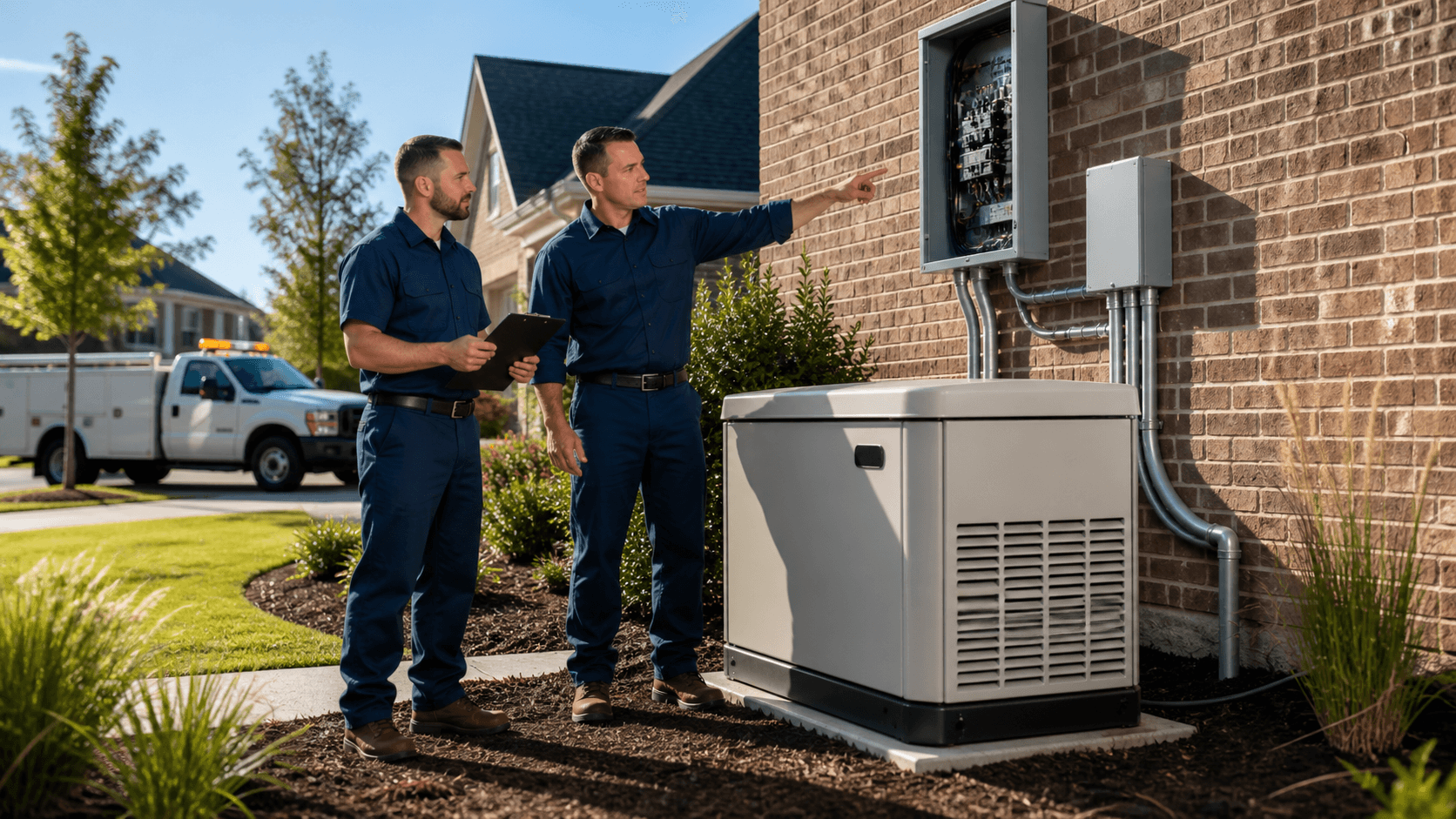
Another mistake is treating placement like an afterthought. People say, "We'll just set it over there by the fence," and don't think about code, safety, or noise until it's too late.
There are real safety rules about how close a generator can be to:
- Windows and doors
- Gas meters
- AC units
- Property lines
Those clearances are there to keep exhaust out of your house and to keep equipment from fighting for space. Ignoring them can fail inspection or, worse, create a carbon monoxide risk.
Noise's another thing folks forget. That "good spot by the fence" may line up with your bedroom window or your neighbor's patio. A generator running at 2 a.m. in a quiet neighborhood feels a lot louder than it does in the middle of the day.
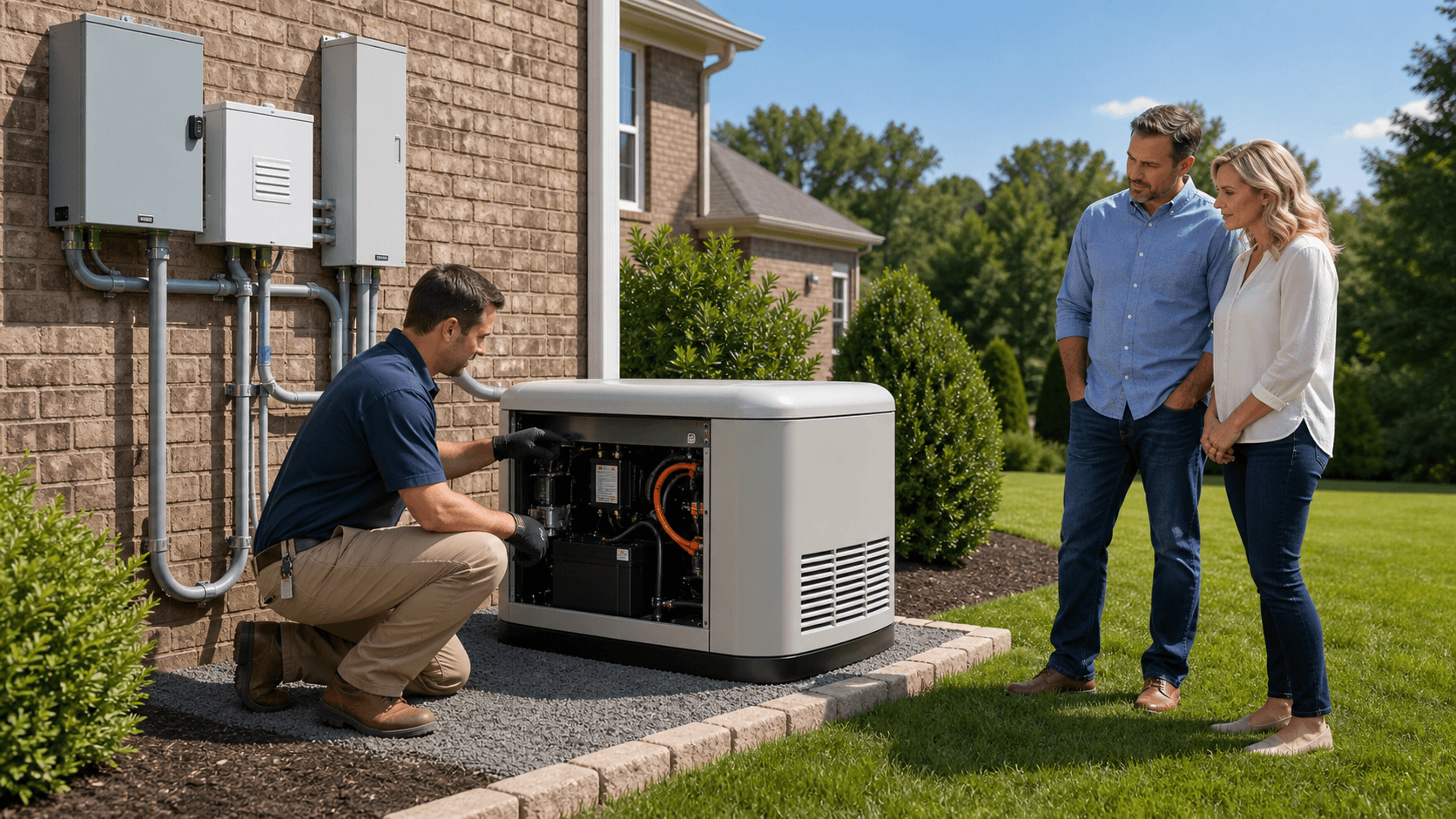
Service and maintenance also matter. If the unit's buried in shrubs, sunk in mud, or squeezed between the fence and a wall, every oil change and repair's harder than it needs to be. That usually means it gets serviced less often, which shortens its life.
Local rules here are pretty specific, and inspectors pay attention to placement. When I set a generator, I'm always thinking, "Will this pass the first time?" and "Can I work on this in a raincoat without sinking to my ankles?"
The Panel, Transfer Switch, and Wiring You Don't See
A lot of folks think once the pad's poured and the gas line's there, the hard part's done. They assume the electrical side's just a couple of wires and a quick flip of a breaker. That's not how it works if you want it safe and legal.
The transfer switch is the brain of the system. In simple terms, it does two big things:
- Makes sure your house runs on the generator when the power's out
- Makes sure power from your generator never backfeeds into the utility lines
Those dangerous "shortcuts" you see online, like backfeeding through a dryer plug or some handyman special, can send power back out of your house and into lines workers think are dead. It's not just against code, it's dangerous.
Older Trussville homes bring extra surprises. I see:
- Tired panels that have seen better days
- Double-tapped breakers where two wires share a spot meant for one
- No room in the panel for the right kind of generator connection
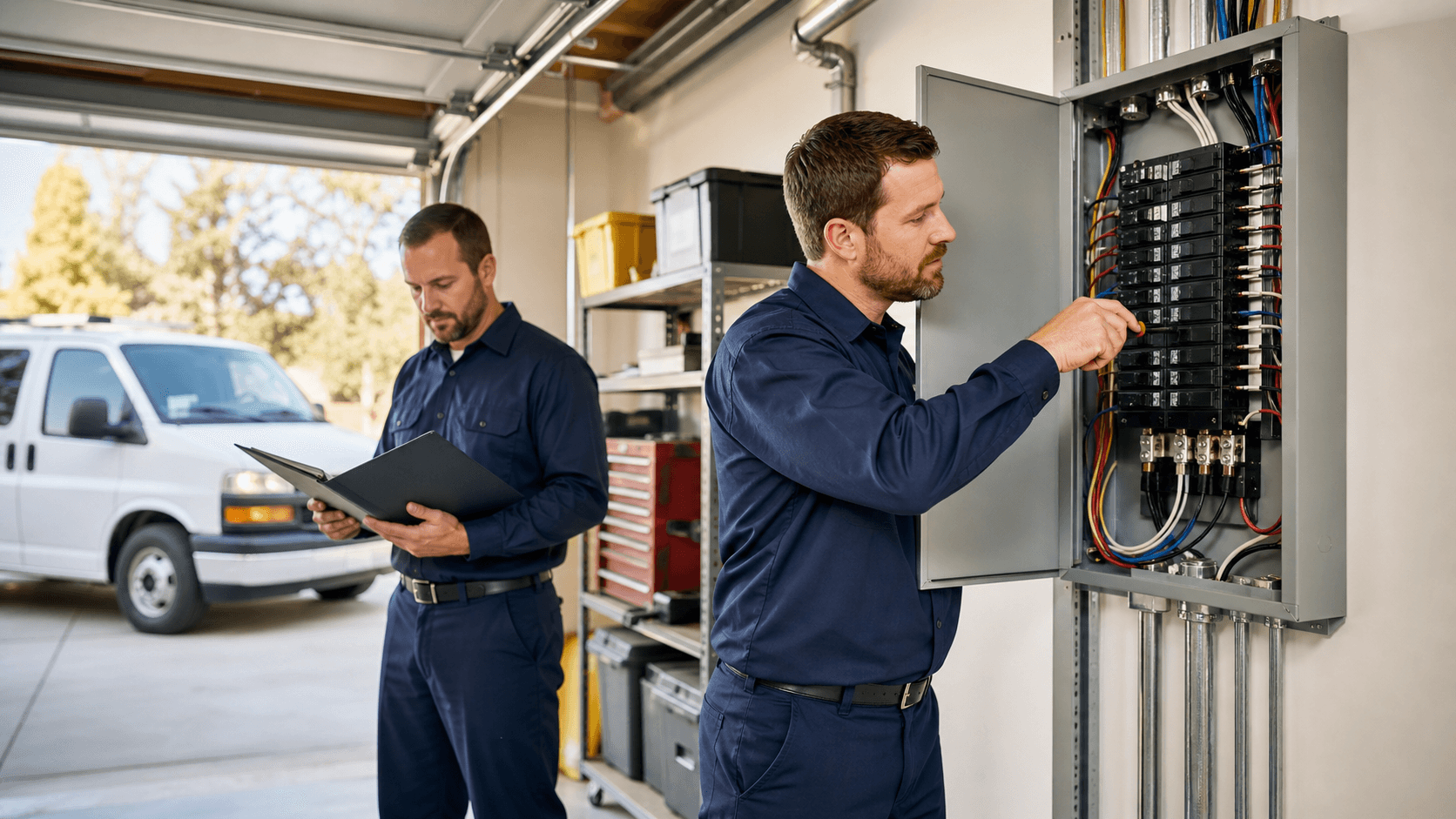
When I look at a generator job, I open the panel every time. I check grounding, wire size, breaker conditions, and space. The goal's simple: when the inspector opens that same panel, nothing in there makes them frown or start writing notes.
Gas Supply, Maintenance, and "Set It and Forget It" Myths
Gas's another place people guess. They see a gas line on the side of the house and think, "That should be fine." Maybe, maybe not. A whole-house generator pulls a lot more gas than a grill or a small appliance.
If the gas line's too small or pressure's not right, the generator can:
- Struggle to start
- Bog down or shut off when the AC kicks on
- Wear out faster from hard starts and stops
I also go over tank versus natural gas. Both can work fine around here. The right choice depends on what's already at your house, how often you lose power, and what feels right for you. There's no one answer for everyone.
Then there's maintenance. Generators don't like being ignored. They need:
- A good battery
- Oil changes
- Test runs on a regular schedule
"I'll deal with maintenance later" usually turns into "Why didn't it start when the power went out?" When I install a generator, I walk homeowners through how to shut it down, what basic checks to keep in mind, and when it's time to have me back out to service it.
Picking the Right Person for Generator Work
A lot of people think any electrician, or the cheapest person they can find, is fine for generator work. The truth is, there's a big difference between someone who just hooks up wires and someone who actually designs a system for your house.
A proper install looks at:
- What you want to run now
- What you might add later, like a shop or finished basement
- The age and condition of your panel and wiring
- Where water drains and how the soil settles around the pad
It also matters that the same person who talks to you is the one who pulls the permits, runs the pipe, lands the wires, and stands in front of the inspector. That's how I work. I do fewer jobs, take my time, and aim to pass inspection the first time without a pile of changes.
Around Trussville, there are common quirks in different neighborhoods, from older panels to the way lots slope and hold water. Local inspectors tend to focus on certain details. Knowing that ahead of time keeps the project smooth and keeps you from living in a construction zone longer than you have to.
If you're thinking about a generator for your Trussville home and don't want to pay twice to fix shortcuts, give me a call or book a free estimate online. I'll come out, take a real look at your setup, and walk you through what makes sense for your house.
Get Started With Your Project Today
If you are ready to protect your home from unexpected outages, we are here to help you choose the right system and install it correctly. Schedule your professional generator installation in Trussville, AL and our licensed team at Massey Electric will handle every detail from start to finish. We will walk you through your options, answer your questions, and make sure your new generator is safe, reliable, and ready when you need it most.