DIY or Pro For Trussville Electrical Work?
If you live in Trussville and you like to tackle projects, it's normal to stare at a light switch or outlet and think, "Can I just do this myself?" Some jobs on your own home are legal to DIY in Alabama. Some jobs need a licensed electrician. Knowing the difference keeps you safe, keeps you legal, and keeps your house ready to pass inspection later.
I'll walk through what Alabama usually allows homeowners to do, what really needs a licensed electrician in Trussville, and some warning signs it's time to stop and get help. The idea is simple. You handle the easy stuff. You call us before a "small project" turns into a mess behind the drywall.
What Alabama Law Says About Homeowner Electrical Work
Alabama has what people call a homeowner exemption. In plain language, that usually means you can do some electrical work on the home you own and live in. It does not mean you can wire your rental house, your friend's place, or flip houses without a license.
Here's the basic layout of the rules:
- Work is limited to the home you own and occupy
- Rentals and investment properties need a licensed electrician
- You still have to follow the National Electrical Code and local code, even if you DIY
- Cities and counties can add rules, permits, and inspections on top of state rules
Trussville and Jefferson County can require permits and inspections for some work, even if state rules say a homeowner can do it. That's where people get tripped up. Just because you're allowed to touch the wiring doesn't mean you can skip permits or ignore code.
This matters for a few reasons: safety, insurance coverage, and future inspections when you remodel or sell. Bad or unpermitted work can get flagged in a home inspection and come back on you years later.
Safe DIY Jobs Most Homeowners Can Handle
There are a few simple things many Trussville homeowners can usually handle, as long as the wiring in the house looks decent and nothing seems odd when you open things up. Still, treat any electrical work with respect. Even "small" jobs can bite you if something's wrong behind the cover plate.
Common lower‑risk tasks many homeowners tackle:
- Swapping light fixtures like for like
- Replacing a basic light switch or dimmer in the same spot
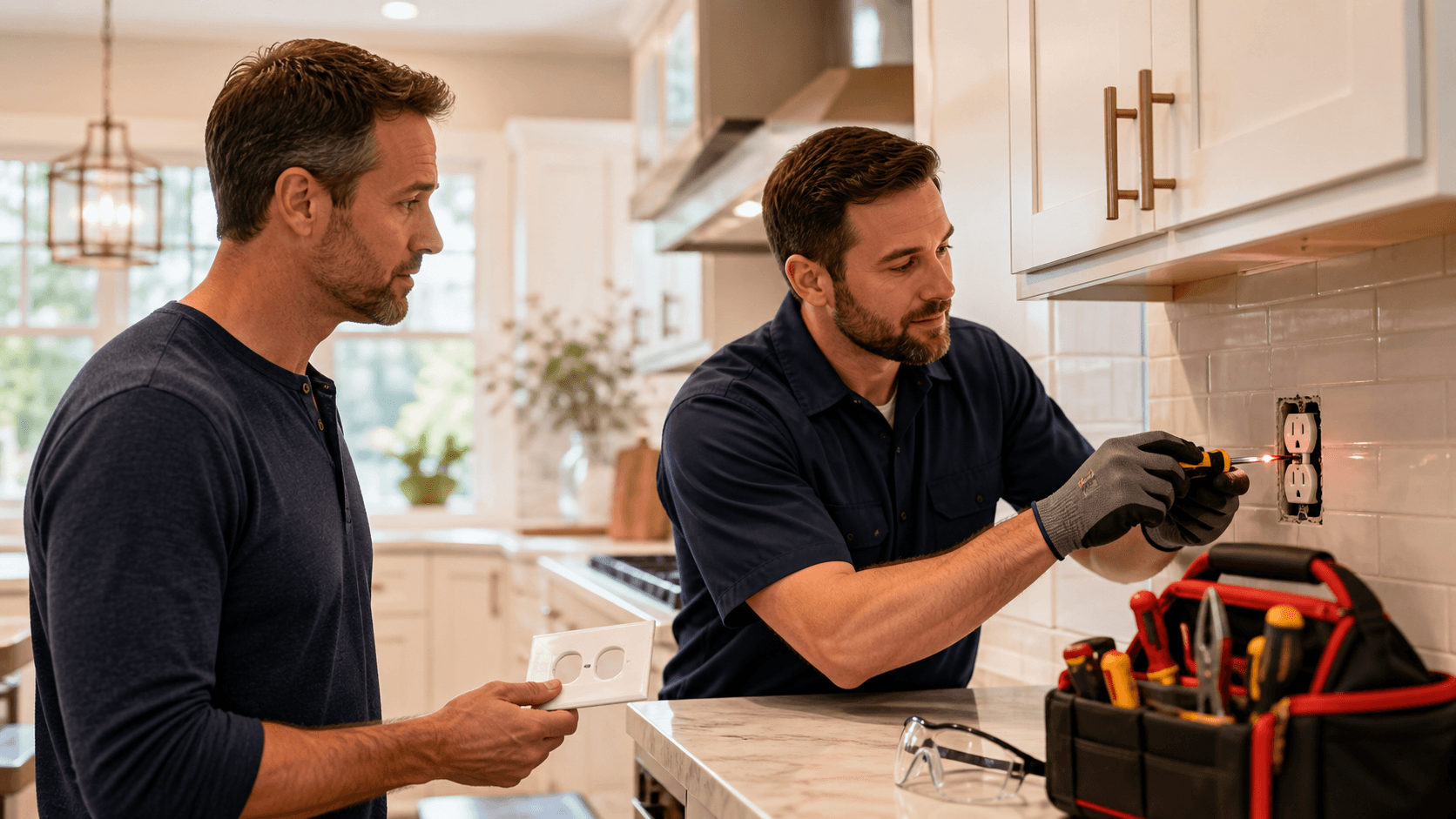
- Replacing an existing outlet with the same type and amperage
- Changing cover plates, bulbs, and smoke detector batteries
The key is "like for like" and "same spot." You're not adding new circuits, moving boxes, changing amperage, or doing anything in the panel. The existing wiring should look clean and tight, and the wire size should match the breaker. Once you see loose wires, odd wire colors, or signs of heat, that's a stop sign.
Even on small jobs, think about safety:
- Turn off the breaker, not just the switch
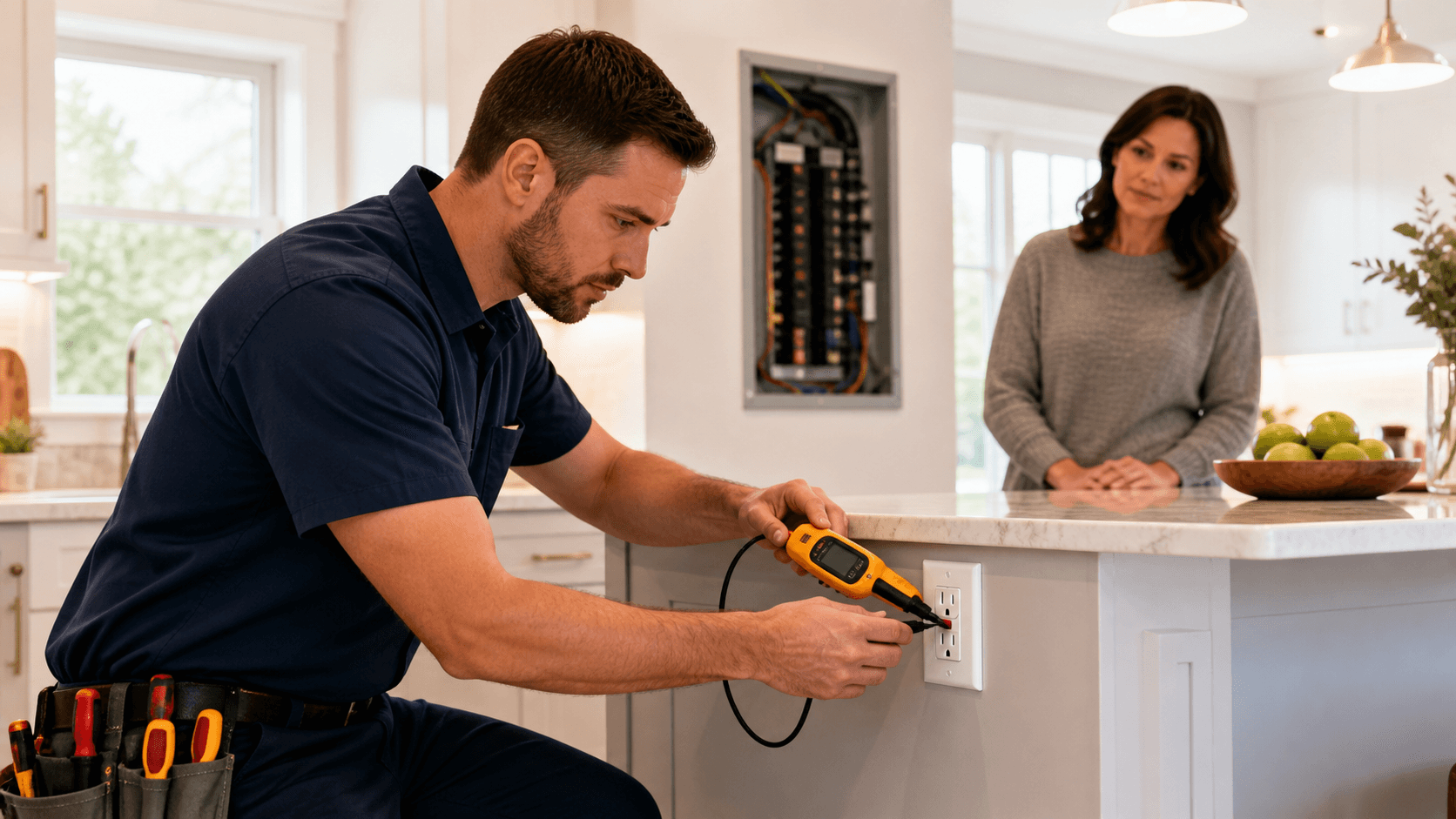
- Use a tester to make sure power is really off
- Keep the area dry and well lit
- Don't work when you're tired, rushed, or upset
If anything looks off when you open the box, it's time for a licensed electrician in Trussville to step in.
Projects That Need a Licensed Electrician
Now we're into the stuff that shouldn't be a DIY project. These jobs affect the whole house, deal with higher fault current, and often need permits, inspections, and the power company involved.
You should have a licensed electrician on site for things like:
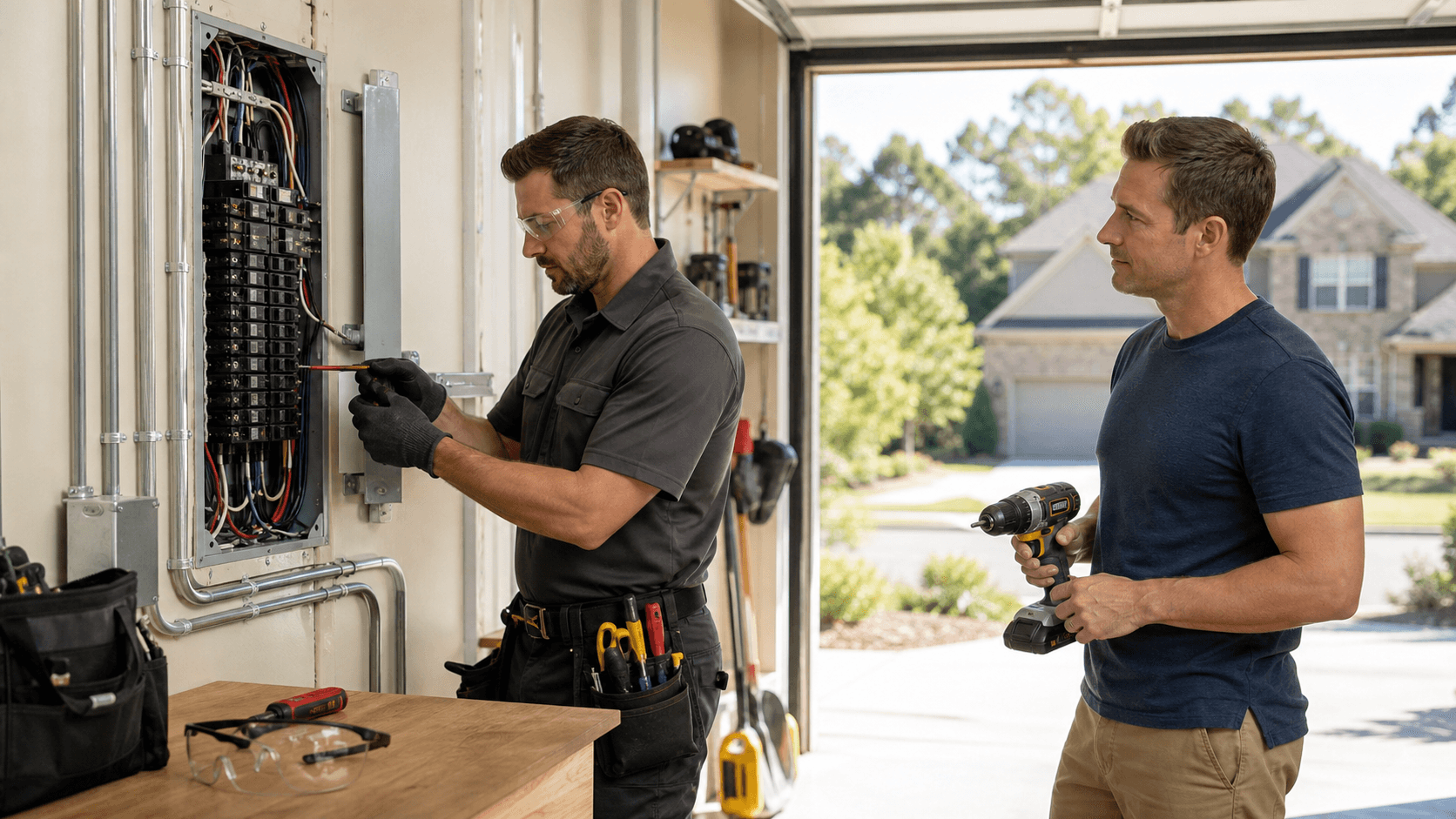
- Any work in the meter base, service mast, or main breaker panel
- Upgrading service size or swapping panels
- Running new circuits for EV chargers, hot tubs, outdoor kitchens, or add‑on rooms
- Wiring for shops, sheds, or finished basements
- Any commercial work
These jobs aren't just "hook up the wires and go." We're doing load calculations, checking grounding and bonding, sizing breakers and wire, and making sure clearances and protection meet code. We also deal with the utility when power has to be shut off and turned back on.
Permits are often required for this kind of work. That's a good thing. It means another set of trained eyes looks at the job so your house is safe for the long haul.
When to Stop DIY and Call an Electrician
Sometimes you start a simple project and find something that makes your stomach drop a little. That's your sign to stop, cap things off safely, and get help.
Common warning signs:
- Breaker keeps tripping or won't reset
- Lights dim or flicker when big appliances start
- Warm or buzzing outlets and switches
- GFCIs that won't test or reset
Serious red flags you shouldn't ignore:
- Burning or hot plastic smell near outlets or the panel
- Scorch marks on cover plates or around fixtures
- Visible arcing or sparking when you plug something in
- Getting a tingle or shock from an appliance or metal trim
DIY work often uncovers older wiring or bad past work, like:
- Aluminum branch wiring
- Old two‑wire cable with no ground
- Random splices in attics, crawl spaces, or tucked behind drywall
- Multiple circuits landed in one box with no room
When I come out, I'm not just fixing the one thing you can see. I'm using test equipment, opening boxes, checking connections at the panel, and looking for code issues that could be hiding behind your walls.
How We Handle House Calls and Bigger Plans
When I come to your home, the first step is a quick talk at the panel or kitchen table. I listen to what you're seeing, when it started, and what you were doing when it happened. Then I look at your main panel, your meter area if needed, and then move to the room or circuit that's acting up.
I'll usually lay out options in plain language, like:
- Here's the safe fix to stop the problem
- Here's a better long‑term fix while things are already opened up
- Here's what I wouldn't do, even if it seems cheaper or easier
Cost depends on a few things: how far the run is from the panel, how easy it is to get into the attic or crawl space, how old the existing wiring is, and how finished the space is. Running wire through old plaster or tongue‑and‑groove takes more time than open studs in a new shop.
Fall and winter around Trussville are hard on electrical systems. Space heaters, holiday lighting, heaters in garages, and more time inside on devices all stack on your panel. Before the cold settles in, it's smart to:
- Test GFCIs and reset them
- Feel outlets that carry heaters or big loads and make sure they're not warm
- Stop daisy‑chaining power strips and extension cords
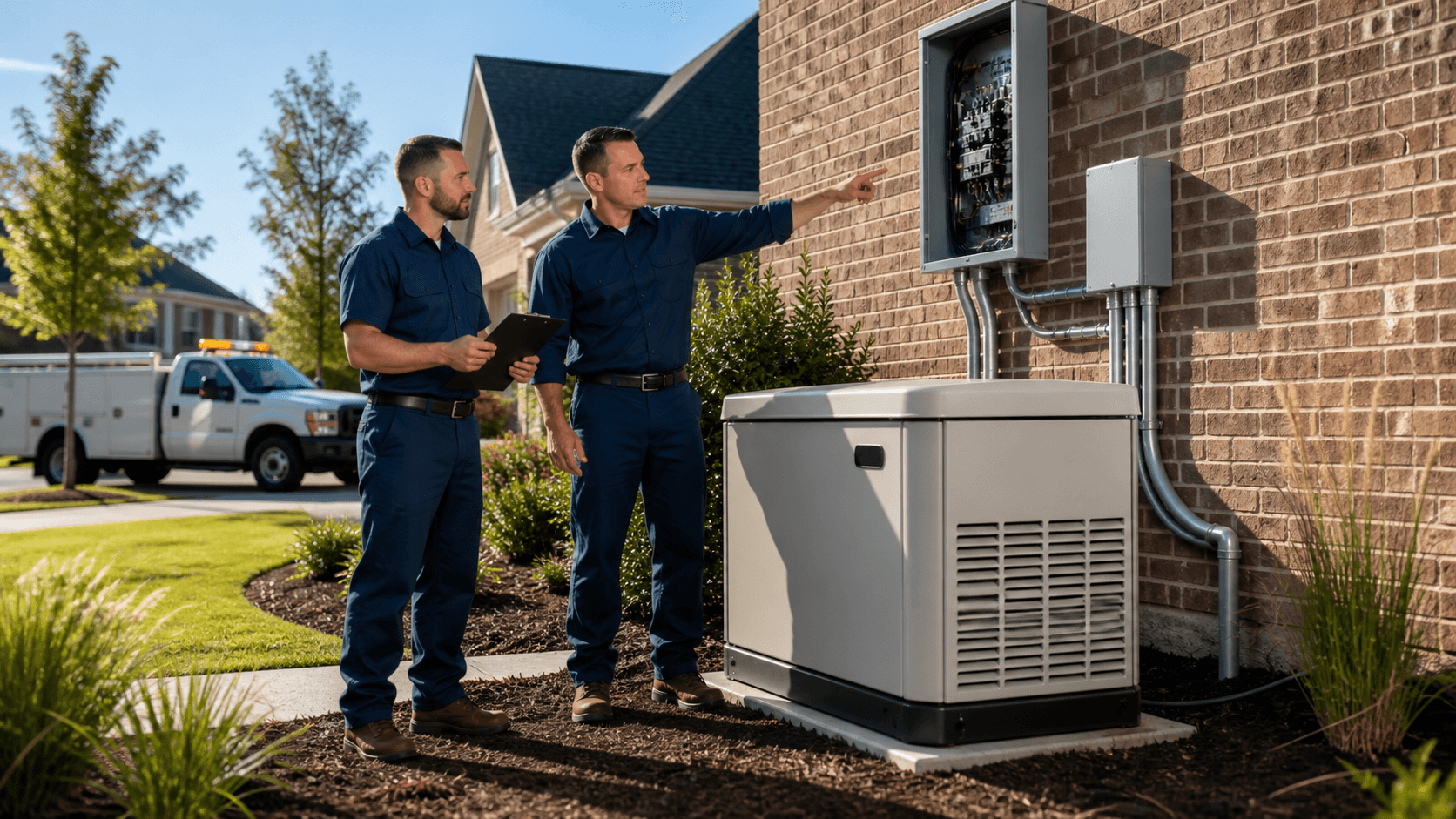
- Think ahead about generators and backup power
On generators, I'll say this very clearly: don't back‑feed your house through a dryer outlet. That can be deadly to you and to linemen. Transfer switches and proper interlocks are the right way to do it.
When you're planning bigger projects, we can help you phase the electrical work. Many times it makes sense to:
- Get wiring roughed in while walls are open
- Finish trim, devices, and fixtures later when the budget recovers
- Group several small jobs into one visit
- Let you handle demo and patching while we handle live electrical and testing
Good planning keeps you from opening the same wall twice and helps your budget go farther without cutting corners on safety or code.
If you're in Trussville and you're not sure if a project is DIY‑friendly or it's time to bring in a pro, call us or book a time for a free estimate. I'm happy to talk it through with you before you get in over your head.
Get Started With Your Project Today
If you are ready to upgrade your electrical system, add new lighting, or troubleshoot a persistent issue, we are here to help. At Massey Electric, our licensed team will walk you through your options and complete the work safely and efficiently. Schedule your appointment with an experienced electrician in Trussville, AL today so we can keep your home or business powered with confidence.