Everyday Electrical Problems I See in Trussville Homes
If you're reading this, something in your house is probably flickering, tripping, buzzing, or just not acting right. That doesn't mean your home's falling apart. It usually means your electrical system's trying to get your attention before a small problem turns into a big headache.
Around Trussville and the Greater Birmingham area, I see the same everyday issues over and over. They're common, they're fixable, and you don't need to feel embarrassed about any of them. I'm a master electrician, licensed and bonded, and when you call, you're getting me on your job, not a random tech who's never seen your house before.
I'm going to keep this simple: plain language, no scare tactics, no tech talk, just to sound smart. We'll walk through what's normal, what's not, and when it's worth having a pro handle it instead of fighting with it yourself. Summer heat, storms, and heavy AC use tend to make these problems show up more, but they can pop up any time of year.
Flickering Lights and Buzzing Switches
This is one of the main things I get called about. Homeowners notice things like:
- Lights dim when the AC or microwave kicks on
- One room has a constant flicker that never seems to stop
- A switch makes a faint buzzing sound
- A dimmer or switch plate feels warm to the touch
- Certain fixtures burn through bulbs faster than they should
Most of the time, the cause isn't dramatic. It's usually one of these:
- Loose wire connections at a switch, fixture, or in the panel
- Old or cheap light fixtures that have seen better days
- Overloaded circuits feeding too many lights and plugs
- Worn-out dimmers that aren't made for LED lighting
- Old DIY "repairs" that were never quite right
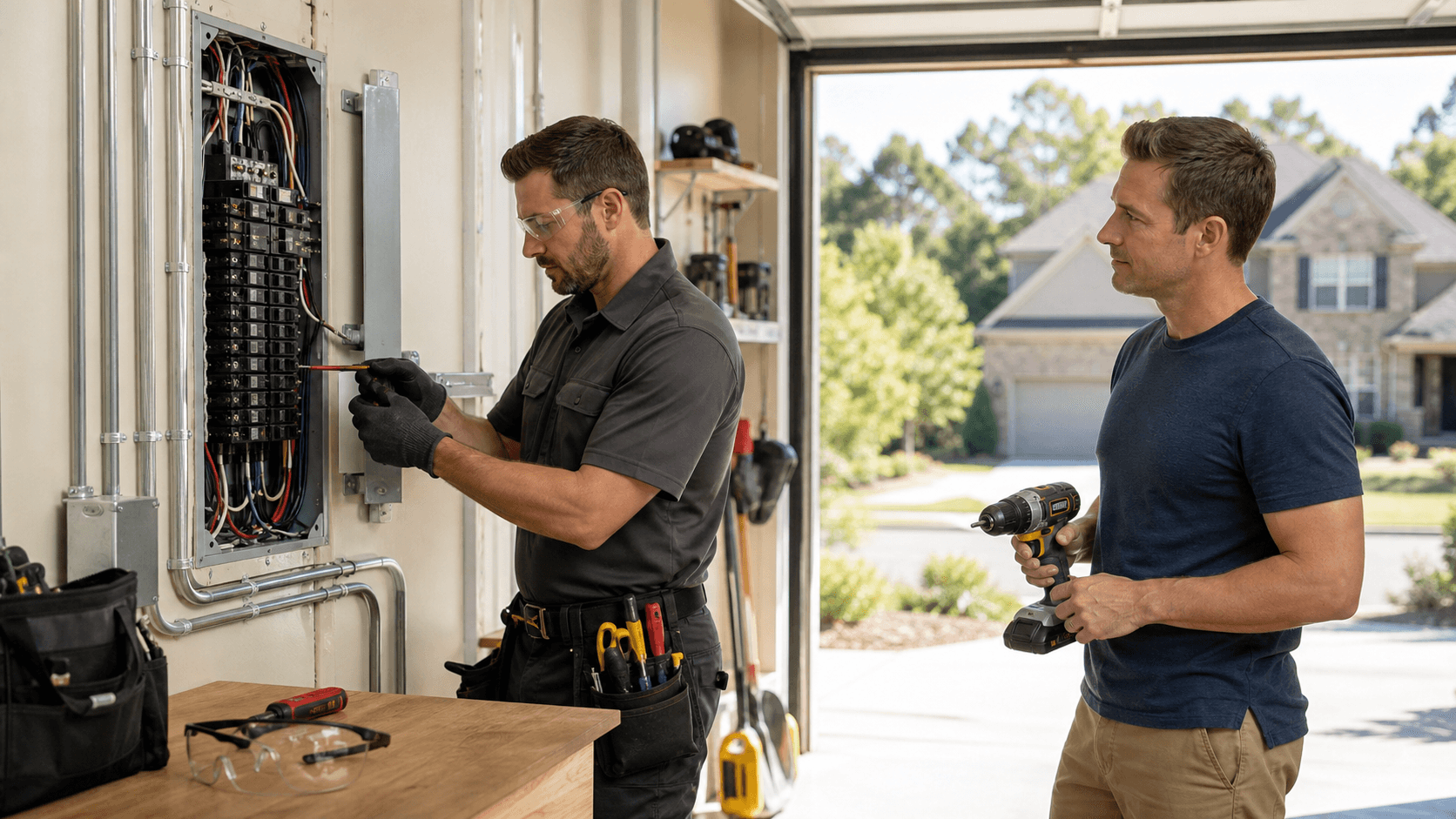
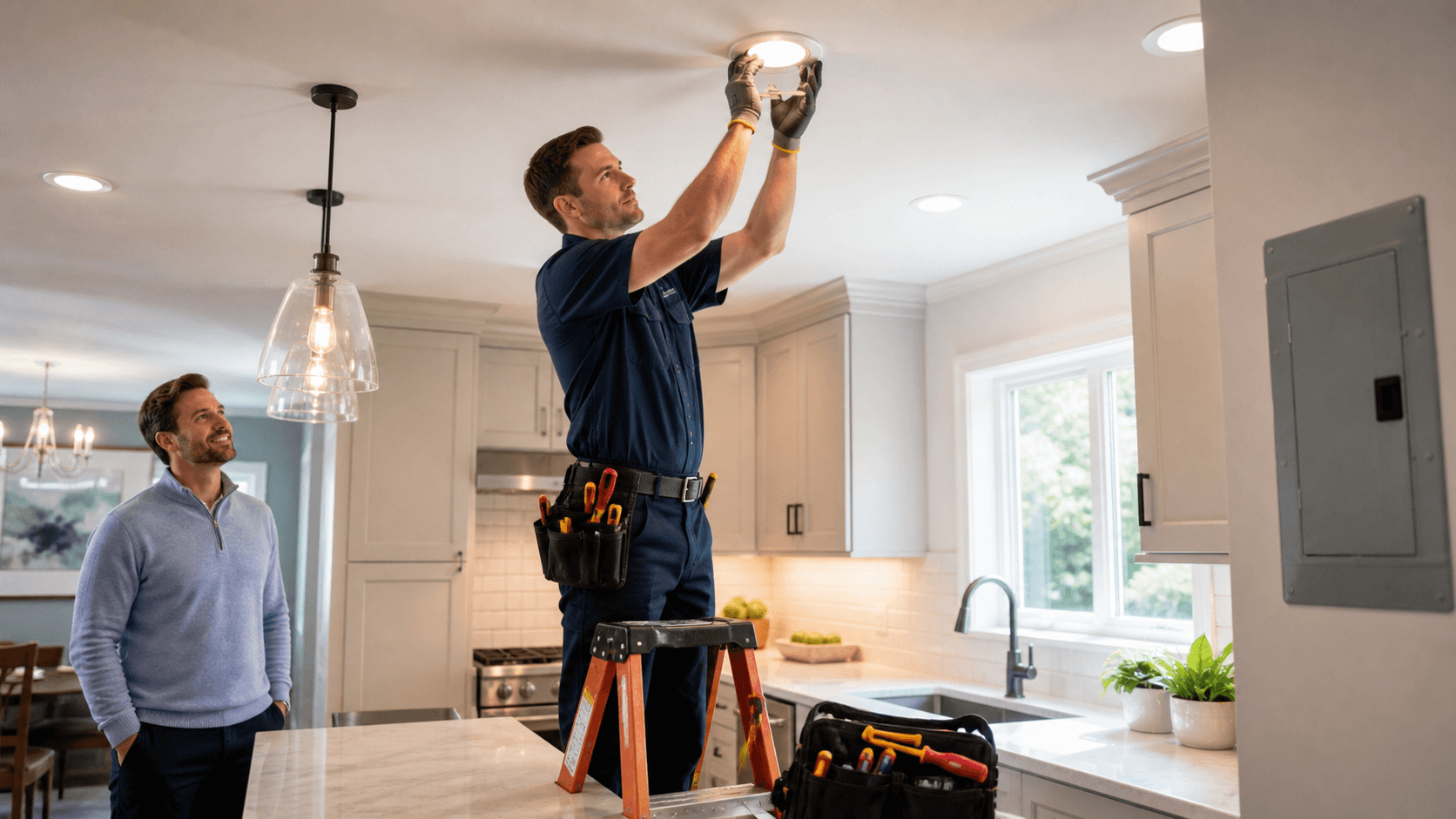
On a call like this, I usually start at the panel, then work my way out. I check breaker connections, tighten terminations, test the circuit, look at the switches, and track down loose neutrals. Sometimes I just swap out a bad dimmer or switch with a proper modern one.
When's it OK to watch and wait, and when should you act fast?
Safe to Keep an Eye on It
- Very light, occasional flicker across the whole house when a big appliance starts
- One bulb in a fixture that blinks, but a new bulb fixes it
Call an electrician right away if:
- The same light or room keeps flickering day after day
- A switch or dimmer feels hot or makes noise
- You smell burning or see any browning around a device
If you're hunting for electrical repair in Trussville, AL because your lights won't behave, this is usually where I start the hunt.
Breakers That Keep Tripping
Another big one: the breaker that just won't stay on. Maybe it flips when you run the microwave and toaster at the same time. Or it trips every time storms roll through and the AC's running hard.
There are really two buckets here:
- Simple overload, too many things drawing power on one circuit
- A fault, where the breaker's doing its job and stopping something unsafe
Common overload setups I see are window units in a bedroom, a space heater on an old circuit, or an extra fridge or freezer in the garage. Older wiring wasn't built around today's constant loads, and weak or corroded connections make it worse.
On these calls, I check:
- Breaker size and type compared to the wire size
- Wire and connections in the panel and at key outlets
- The age and condition of the panel itself
- How many rooms and devices are tied to that one breaker
Fixes can be as simple as spreading loads to other circuits or adding a dedicated circuit for a big appliance. Sometimes a weak breaker needs to be replaced, or an old panel has to be updated so it can safely support your home.
As a basic rule of thumb: if the same breaker trips more than once a week and you aren't doing anything wild with space heaters or big tools, it's time to have it checked out.
Outlets That Don't Work or Feel Loose
Dead or loose outlets are something almost every homeowner runs into. The usual complaints sound like this:
- "This outlet just died out of nowhere."
- "Plugs fall right out, they don't grab anymore."
- "The top outlet works, but not the bottom."
- "The GFCI by the sink keeps popping and won't reset."
Typical causes:
- Worn-out outlets that have lost their grip inside
- Backstabbed wiring from old installs where wires are pushed into the back instead of secured to screws
- Loose connections in daisy-chained outlets, where one bad outlet affects the ones after it
- Moisture issues in kitchens, baths, garages, and outside outlets
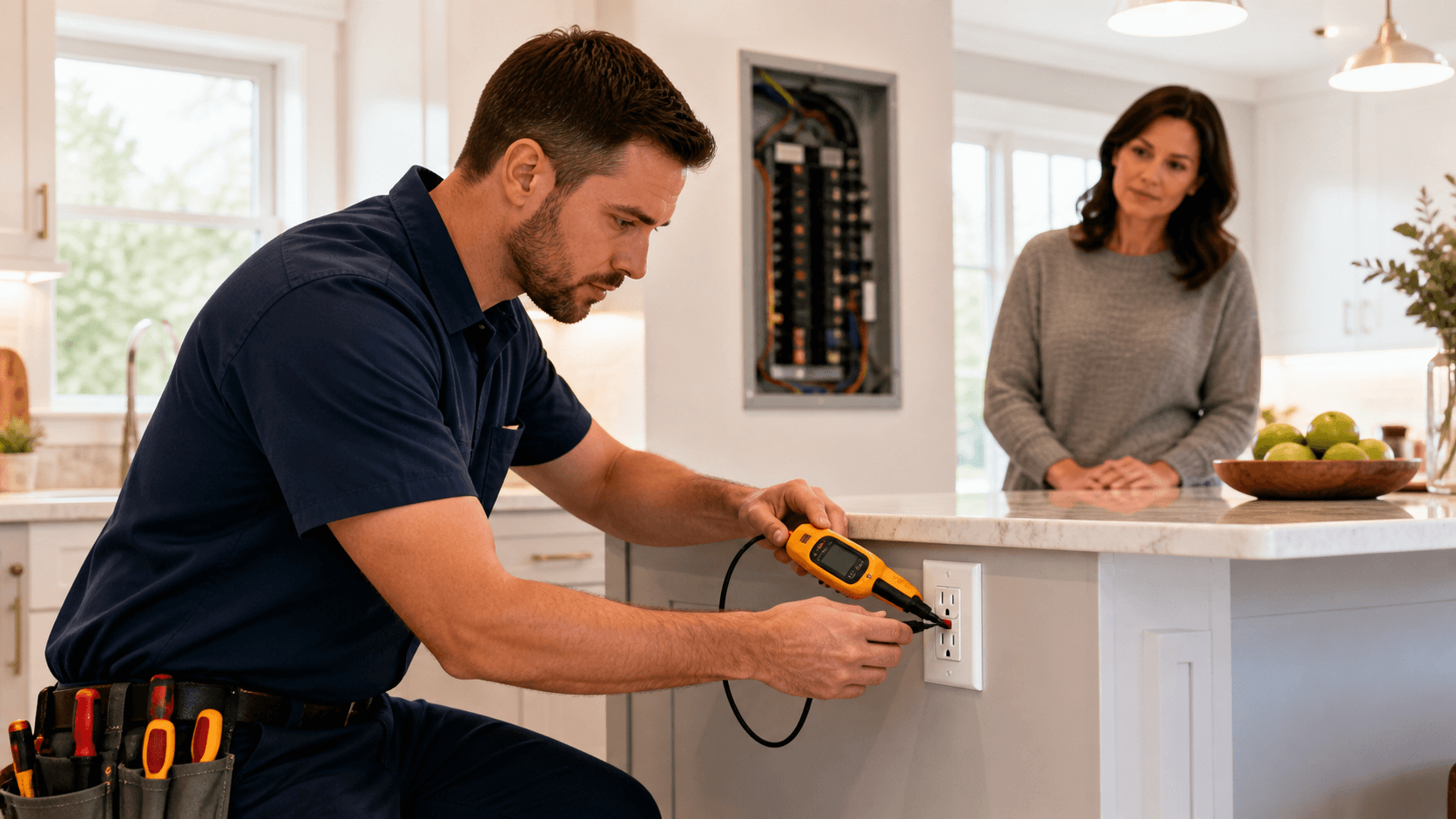
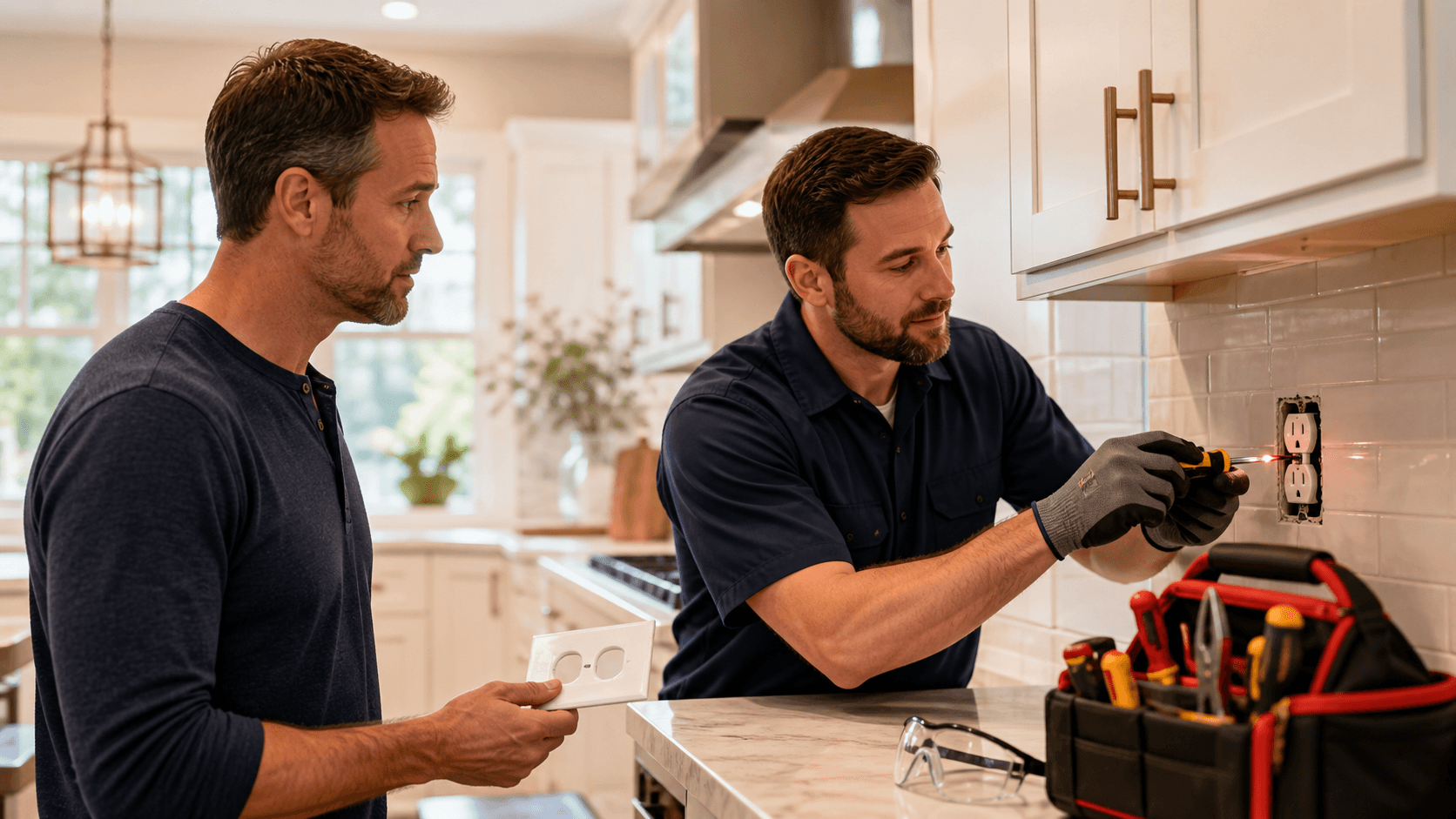
When I come out, I figure out which outlets are on the same run, test for power, then open things up and check the connections. Many times, I replace old devices with new, safer outlets and tighten or redo the wiring while I'm there.
A quick word on GFCI outlets in plain terms: they're the ones with the test and reset buttons. Their job is to protect you from shock around water. When they trip, they're sensing something they don't like in the current path. Sometimes that's a real problem, sometimes the device itself is just worn out and needs to be changed.
A "dead" outlet isn't always simple. It might be:
- A bad connection at another outlet upstream
- A tripped GFCI that quietly feeds that outlet from across the room or even another area
- Damaged or chewed wiring in an attic, crawlspace, or wall
Safe checks you can do yourself are pretty limited: you can gently test and reset nearby GFCIs and see if a breaker in the panel has tripped. If that doesn't bring it back, it's better to call an electrician than keep guessing and turning screws.
Summer Heat, Storms, and Electrical Wear
Summer around Trussville is hard on electrical systems. AC units run almost nonstop, fans stay on, kitchens work overtime, and kids are home using more devices. That extra load exposes weak spots that didn't show up in spring.
Problems that often pop up in the heat:
- Weak connections that get hot under steady load
- Older aluminum terminations starting to act up
- Panels that are past their prime showing more quirks
- Outdoor outlets and lights failing after storm after storm
Lightning and power surges from storms can also stress your panel, breakers, and electronics. The damage isn't always instant. Things may work, then fail months later after enough small hits.
On the everyday repair side, I spend a lot of summer:
- Replacing weather-worn exterior outlets, covers, and boxes
- Tightening panel terminations and checking for signs of heat
- Checking AC disconnects outside at the condensing unit
- Adding surge protection when it makes sense for the house
You should call an electrician if your panel feels warm to the touch, you hear sizzling or crackling at the meter or panel, breakers trip more on hot days than mild ones, or you notice random power blips in part of the home.
Most electrical repair in Trussville, AL during summer isn't about full emergencies. It's about cleaning up long-term wear before it causes real damage.
When a Quick Repair Becomes a Bigger Fix
I always start with the simple, obvious things first. Many calls end with a single loose connection fixed or a worn device swapped out. But sometimes that "small" nuisance points to something bigger, like older wiring that's maxed out or a panel that's undersized for how you live today.
Signs it's more than a quick repair include:
- Multiple rooms having issues on and off
- Breakers that are mislabeled, doubled up, or feeding strange mixes of rooms
- Clear signs of past DIY work or add-ons that don't follow current standards
When that happens, I slow down and walk you through real options, like adding circuits, cleaning up the panel so it's safer and easier to understand, or planning for a future panel upgrade instead of just swapping one outlet and leaving.
I also handle permits and inspections when they're needed so the work's done right and you don't run into surprises later when you sell or remodel. I'd rather do five jobs right than fifteen I can't stand behind. I'd rather fix the real issue once than keep coming back to Band-Aid the same problem over and over.
If any of this sounds like what's going on in your house, give me a call or book a time online. I'll come out, take a look, and we'll talk through what's really going on and what makes sense for your home and budget.
Get Started With Your Project Today
If you are ready to solve your electrical issues safely and efficiently, we are here to help. Schedule professional electrical repair in Trussville, AL and let our licensed team at Massey Electric handle the job from start to finish. We will assess your needs, explain your options, and complete the work to code. Book your appointment now so we can restore comfort and reliability to your home or business.