What Mountain Brook Homeowners Miss Before Panel Work
Panel upgrades in Mountain Brook usually start with one simple thought: this old box is full. Then the bigger stuff shows up. Older homes in this area weren't built for two HVAC systems, a fancy kitchen, an EV charger, and a standby generator all running on the same service. The panel's just where you see the problem.
Most homeowners start thinking about a panel upgrade when things get annoying or weird, like:
- Lights dim when the AC or microwave kicks on
- Breakers trip when you plug in one more space heater
- You're planning a remodel or finishing a basement
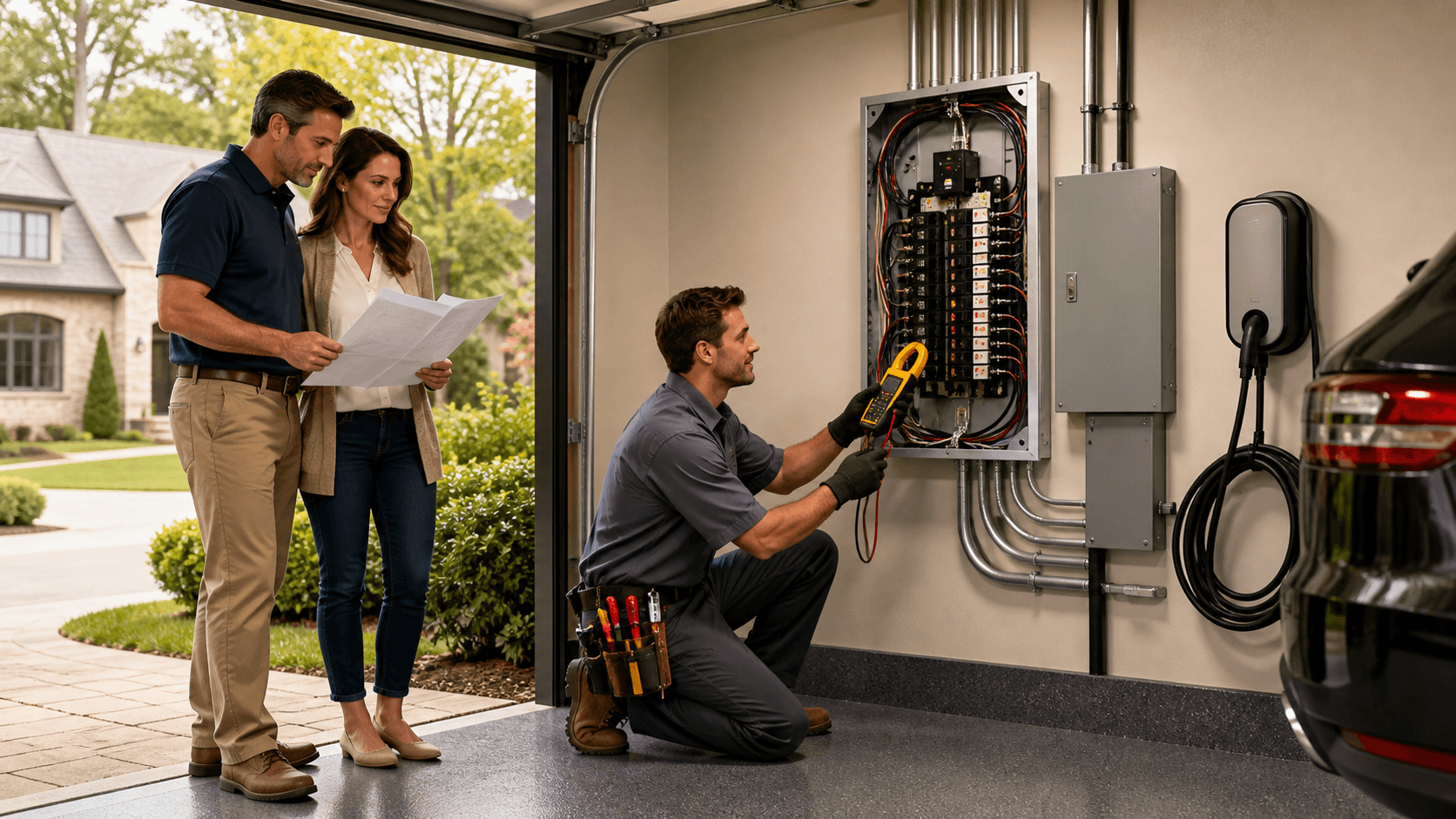
- You're adding a generator or EV charger
- A home inspector notes "panel needs upgrade" before a sale
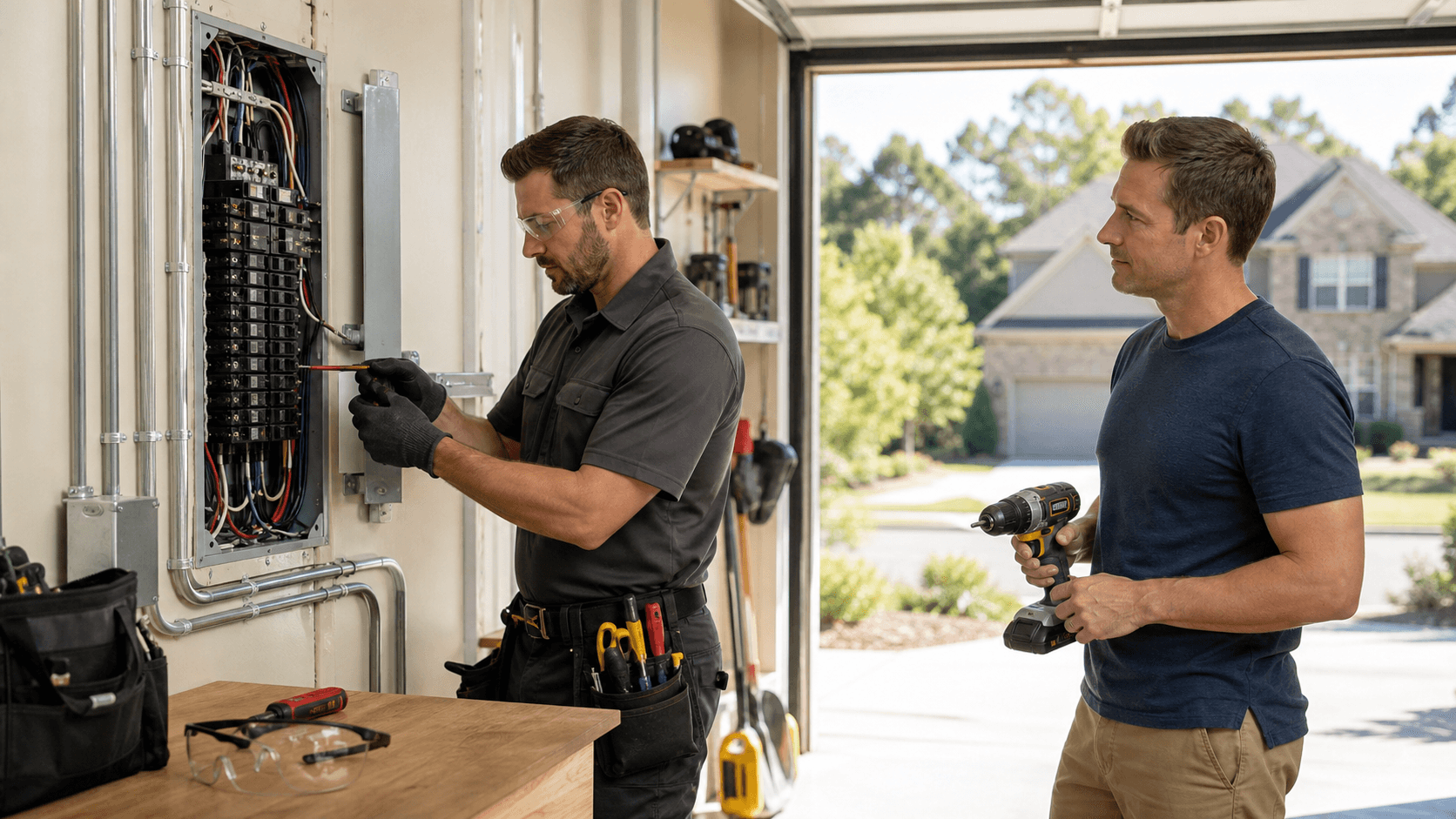
Here's the first reality check. A panel upgrade isn't just swapping the gray box on the wall. It can mean changing the service size from the power company, fixing grounding, pulling permits, and working around older wiring that's been added onto for decades. It all takes planning.
What we're going to walk through here is the honest stuff most Mountain Brook homeowners don't think about until the electrician's in the driveway explaining delays, extra work, and why this isn't a two-hour job.
Your Real Power Needs, Not Just More Spaces
A lot of people call and say, "I just need more breaker spots." That sounds simple, but there's a big difference between panel size and service size.
- Panel size is how many breakers and how many amps the panel can handle
- Service size is how much power the utility's actually feeding your house
You can slap a 200-amp panel on a 100-amp service, but it won't magically give you more power. That's like putting more outlets on the same tiny extension cord. Many older Mountain Brook homes are still on smaller services, and they're trying to run big loads like:
- Multiple HVAC systems
- Electric ovens and dryers
- Pool equipment and hot tubs
- EV chargers
- Standby generators
When we look at a panel upgrade, we look at your actual loads. We walk the house and talk through what you have now and what you might add in the next 5 to 10 years. Things like:
- Future EV chargers
- Basement or attic finish-outs
- Outdoor kitchens or workshops
- Extra AC units or dehumidifiers
Planning ahead matters. When the weather cools off and you plug in space heaters, holiday decor, and every kitchen appliance you own, that's when a weak or undersized system shows itself.
If you're adding a generator, the panel upgrade's the best time to think about backup power. We ask simple questions, like what absolutely has to stay on when the power goes out: fridge, some lights, internet, HVAC, a sump pump. Sometimes that means transfer equipment or load shedding, but we keep the talk in plain language so you know exactly what'll work when the lights go off.
What Your Existing Wiring and Grounding Are Hiding
Old panels never live alone. They feed old problems. Mountain Brook homes often have layers of remodels, each electrician doing things a little different. The panel's just the front cover.
Once we open things up, common surprises include:
- Double-tapped breakers, two wires under one screw
- Aluminum branch circuits in older additions
- Random splices in boxes or tucked in ceilings
- Mystery cables that go nowhere
When we do a panel upgrade, we don't just hook everything back like it was. We trace circuits, clean up bad connections, and try to make sense of what's there so the new panel isn't feeding old mistakes.
Grounding and bonding are another hidden piece most people never think about. In simple terms, grounding is where extra electricity goes if something goes wrong. If a wire shorts to metal, that fault needs a clear path back so breakers trip fast.
Older homes may have:
- No real grounding at all
- Corroded clamps on old water pipes
- Undersized ground wires that aren't up to today's standards
A proper panel upgrade means we fix grounding and bonding too, not just swap breakers and walk away.
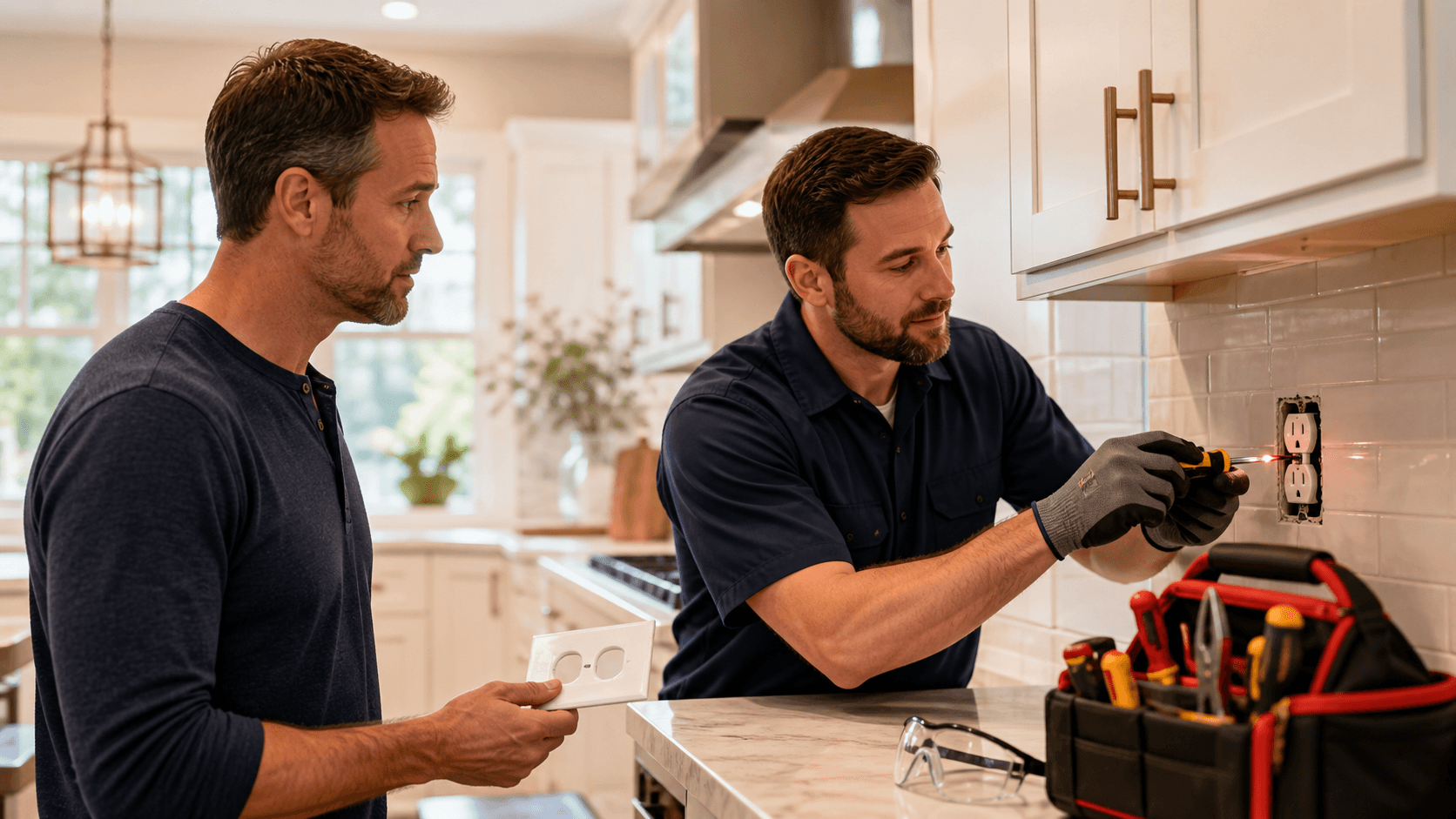
Codes have changed a lot since most of these homes were built. You hear about AFCI and GFCI breakers, tamper-resistant outlets, and smoke detector rules. During a panel upgrade, inspectors in this area often look at:
- Smoke detector locations and if they're tied together
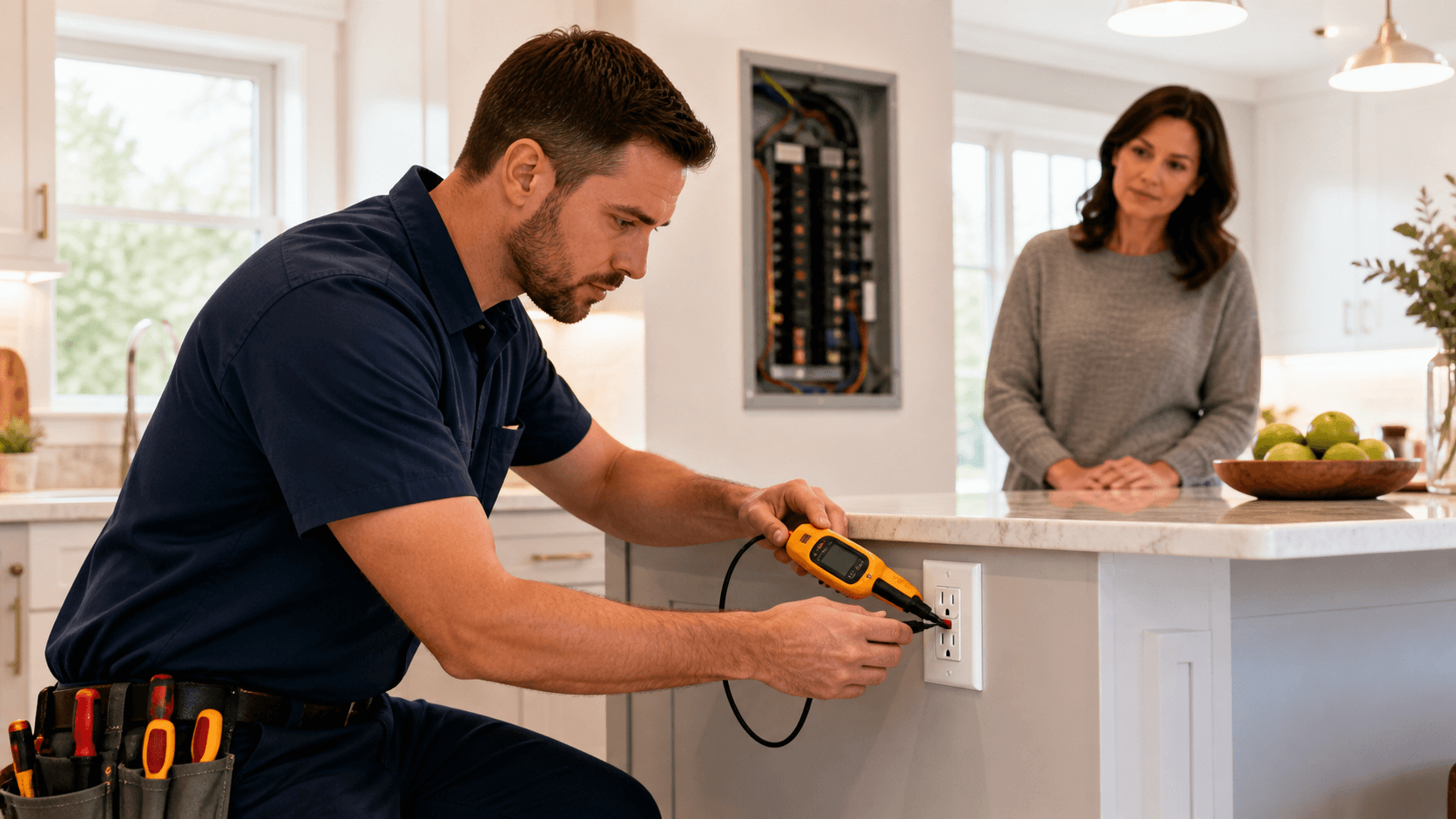
- GFCI protection in kitchens, baths, garages, and outdoors
- Outdoor outlets and their covers and ratings
This isn't about upselling. It's about making sure the new setup will pass inspection and actually protect your house the way it should.
Permits, Inspections, and Dealing with the Power Company
A lot of people think permits are just paperwork. They're not. We pull permits because it's required, it protects you with insurance and resale, and it gives you a record that the work was inspected.
A typical permit and inspection around Mountain Brook is pretty straightforward:
- We apply for the permit before work starts
- We coordinate with the inspector for rough and final checks if needed
- The inspector looks at service size, grounding, panel wiring, and clearances
The inspector isn't the enemy. It's a second set of eyes on our work.
When the power company has to be involved, we do our best to get ahead of it. They come into the picture when:
- You're upgrading from 100-amp to 150 or 200-amp service
- The meter needs to move
- The riser or service drop needs adjustment
We coordinate with them so you're not surprised with a full day of no power. Usually there's a planned power-off window, and we work to have everything ready before they kill power, then button it up so they can reconnect the same day. We plan around fridges, kids, pets, and summer heat so it's as painless as it can be.
Timing matters too. A panel upgrade isn't the day to have painters, drywall crews, or movers stacked on top of each other. Late summer and early fall stay busy with remodels and pre-holiday projects, so getting on the calendar early helps. We like to be clear up front about:
- Expected start and finish times
- When inspections will happen
- What changes if an inspector asks for a tweak
Where the Panel Lives and How that Affects Your Home
Panel location is another thing that trips people up. Older Mountain Brook homes sometimes have panels in closets, tight laundry rooms, stairwells, or other spots that don't meet current rules for clear space.
Sometimes we simply can't put the new panel exactly where the old one sits. We have to keep clear working space and safe access. That can affect:
- Shelves or cabinets that are too close
- Closet layouts and storage
- Finished walls that now need a bigger opening
Here's the honest part. A panel upgrade can mean open drywall, brick drilling, stucco patching, or siding cuts. We usually:
- Cut clean, square openings so they're easier to patch
- Protect floors, counters, and furniture with covers and drop cloths
- Patch what we can as part of the electrical work
For a perfect finish, you may want a painter or drywall pro afterward, especially on older textured walls or brick.
We also think about the next person who has to work on that panel, which might be us again. Leaving clear space in front of the panel makes future repairs and add-ons easier and faster. Good labeling helps too. When every breaker's clearly marked, we spend less time guessing and more time fixing.
Neat wiring isn't about making it pretty for a photo. It's about knowing what's what when something breaks. Clean, organized wiring means fewer surprises later.
Picking the Right Electrician for a Panel Upgrade
For a panel upgrade in Mountain Brook, the person you pick matters. On our jobs, I'm the owner and I'm the one doing the work, not a random crew that shows up after the estimate. That means the same person who walked your house and heard your plans is the one pulling the first breaker.
We'd rather do a few jobs right than stack our week so full that nothing gets the attention it needs. We're licensed and bonded, and the license holder's on site when the inspector shows up and when the weird stuff behind that old panel comes to light.
When you talk to any electrician about a panel upgrade, good questions to ask are:
- Which parts of the work will you actually do yourself?
- Will you pull permits and meet the inspector?
- How do you handle surprises in the walls, and how will you explain changes?
- What should I expect the day of the upgrade for power downtime, noise, and cleanup?
A good answer to those questions will tell you a lot more than any ad.
A well-done panel upgrade in Mountain Brook isn't just "more breakers." It's the right service size, safe wiring and grounding, a clean layout, and work that passes inspection and holds up when you load it down in real life. Planning ahead before the remodel, the generator, or the EV shows up will always go smoother than trying to fix it in a rush later.
If you're thinking about a panel upgrade in Mountain Brook and want to talk through what your house really needs, call us and we'll set up a time to look it over with you.
Get Started With Your Project Today
If your home's electrical system is showing its age or struggling to keep up with modern demand, we are ready to help you plan a safe, code-compliant solution. Schedule your panel upgrade in Mountain Brook today so Massey Electric can assess your current setup and recommend the right improvements. We will walk you through your options, answer your questions, and provide clear pricing before any work begins.