When an Outlet Goes Dead in Your Homewood Home
When an outlet stops working in your Homewood house, it's annoying and a little worrying. You plug something in, nothing happens, and you start wondering if it's just that outlet or something bigger in the walls. The good news is a lot of dead outlets come down to simple things you can safely check without taking anything apart.
I work in Homewood homes every week and see this all the time. I run an owner-operated, licensed, and bonded electrical business, and I'm on every job. I care about honest advice, doing work the right way, pulling permits when they're needed, and passing inspections without games. In this guide, I'll walk through clear steps you can take before you call an electrician, and I'll also talk about when you should stop and let a pro handle it, especially when summer-long loads from ACs and fans start pushing your wiring harder.
Quick Checks Before You Call Anyone
First thing, don't assume the outlet's the problem. Start with what's easiest and safest.
Try this:
- Plug the same device into an outlet you know works
- Try a different device, like a lamp or phone charger, in the dead outlet
- If the second device works, the outlet's fine and the first device has the issue
That quick swap can save you time and even a service call. Many times the problem is a bad cord, a loose plug, or a dead power supply, not the outlet itself.
Next, look at the outlet and the cover plate without taking anything apart. You're checking for trouble signs:
- Burn marks or dark spots around the outlet
- Melted or cracked plastic
- An outlet or cover that feels hot, not just warm from a plugged-in charger
If you see any of that, stop using that outlet. Don't wiggle it, don't pull on it, and don't try to take it out of the wall. Heat, burning smells, buzzing, or crackling sounds are all signs that something deeper's wrong, and that's a good time to get a licensed electrician involved.
Also pay attention to what else is out:
- Are other outlets in the same room dead too?
- Did a light go out at the same time?
- Is half of a living room outlet out while the other half works?
A lot of Homewood homes, especially older ones, have split outlets where the top is always hot and the bottom's on a wall switch. Flip nearby switches and see if that brings part of the outlet back. If it does, then that outlet's probably fine and just switched.
Resetting GFCI Outlets and Breakers Safely
If the outlet still isn't working, the next safe step is to look for a tripped GFCI. These are the outlets with the TEST and RESET buttons on the front. You often find them in:
- Bathrooms
- Kitchens
- Garages and basements
- Outside on porches or decks
In a lot of houses, one GFCI can feed several normal outlets. So a dead outlet over the kitchen counter might actually be tied into a GFCI by the sink or even in the garage. Press the RESET button firmly until it clicks. If it clicks and stays in, test your dead outlet again.
If the GFCI won't reset or it pops right away, don't keep forcing it. That usually means there's a wiring issue, a bad device plugged in, or moisture somewhere. That's not just a "bad outlet," that's something a pro needs to track down.
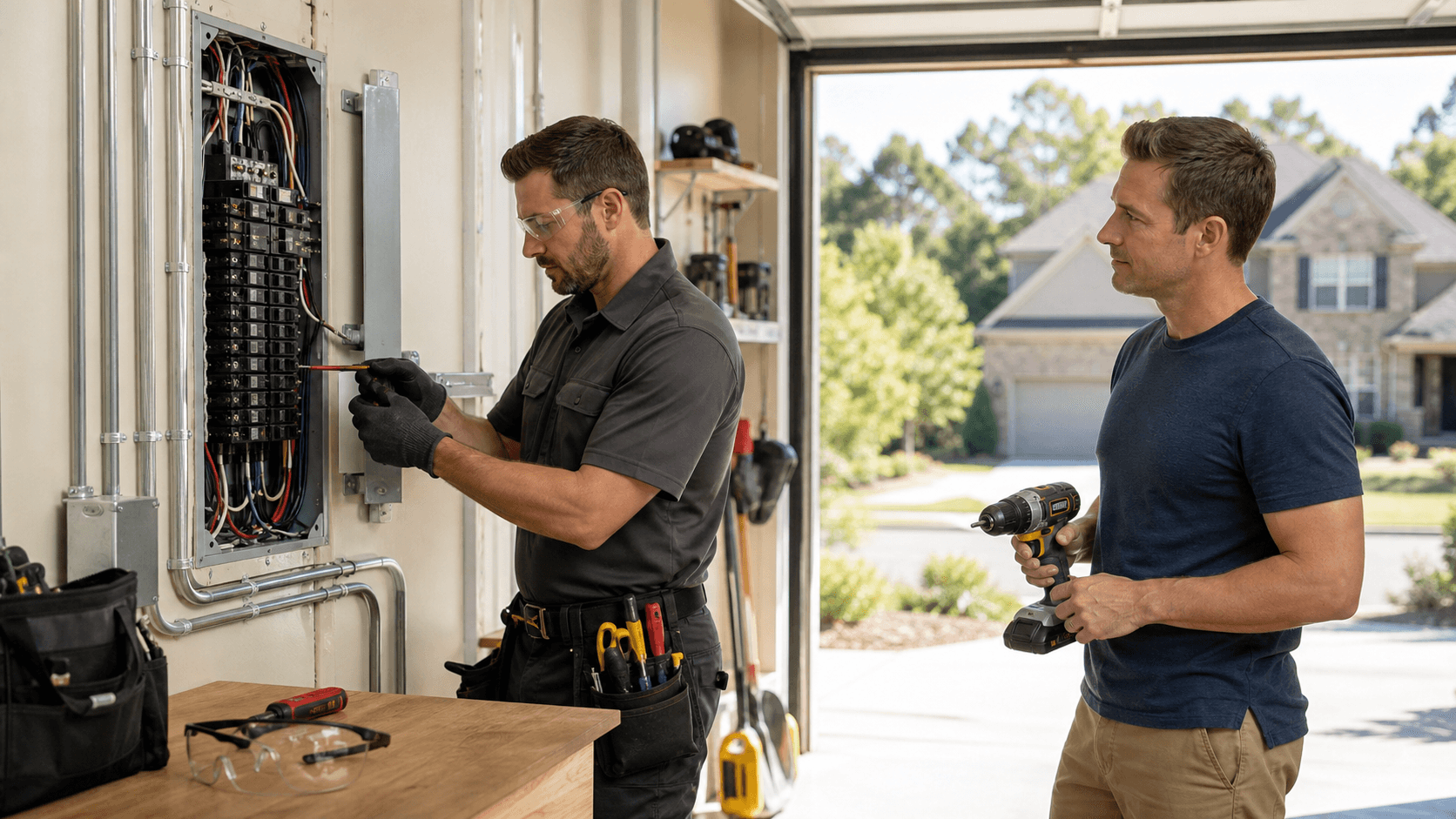
If that doesn't fix it, go to your breaker panel. Open the door and look for any breaker that's not lined up with the rest. A tripped breaker often looks like it's in between ON and OFF. To reset it:
- Push it all the way to OFF first
- Then push it back firmly to ON
- Don't just tap or wiggle it
In summer, it's common for breakers to trip when you have window units, fans, dehumidifiers, and maybe a garage fridge all stacked on one circuit. If the breaker trips again right away or within a short time, stop resetting it. That means something on that line is overloading or shorting, and you need a licensed electrician to sort it out.
Common Reasons an Outlet Stops Working in Homewood
There are a few things I see over and over when I get called for an outlet not working in Homewood.
Season and load are a big one. When it's hot, people plug in:
- Extra fans
- Portable or window AC units
- Dehumidifiers
- Extra fridges or freezers
If several of those land on the same circuit, that breaker might finally say "enough" and trip. The same thing happens in colder months with space heaters and long strings of holiday lights. Many older Homewood homes weren't built with today's electrical loads in mind.
Age and wear are another big factor. Outlets from the 60s, 70s, or 80s can just be worn out inside. The metal parts that grip the plug get loose, and the connections behind the outlet loosen up. In houses where outlets are daisy-chained, one bad connection can knock out every outlet down the line.
I also run into past DIY or handyman wiring. That can include:
- Loose wirenut connections stuffed in a box
- "Back-stabbed" outlets where wires are pushed into the holes instead of wrapped on screws
- Add-on outlets or lights without permits or proper planning
I'm not here to judge how it got that way. My job's to make it safe, get it right, and, when needed, pull the proper permits so it'll pass inspection.
When You Shouldn't Try to Fix It Yourself
There's a point where the safest move is to put the screwdriver down. That point's sooner than most people think. Stop and call a pro if:
- The outlet's hot, burned, cracked, or discolored
- You hear buzzing, popping, or crackling
- You smell something like burning plastic
- Several rooms or half the house are having issues
- Lights dim or flicker when you plug things in
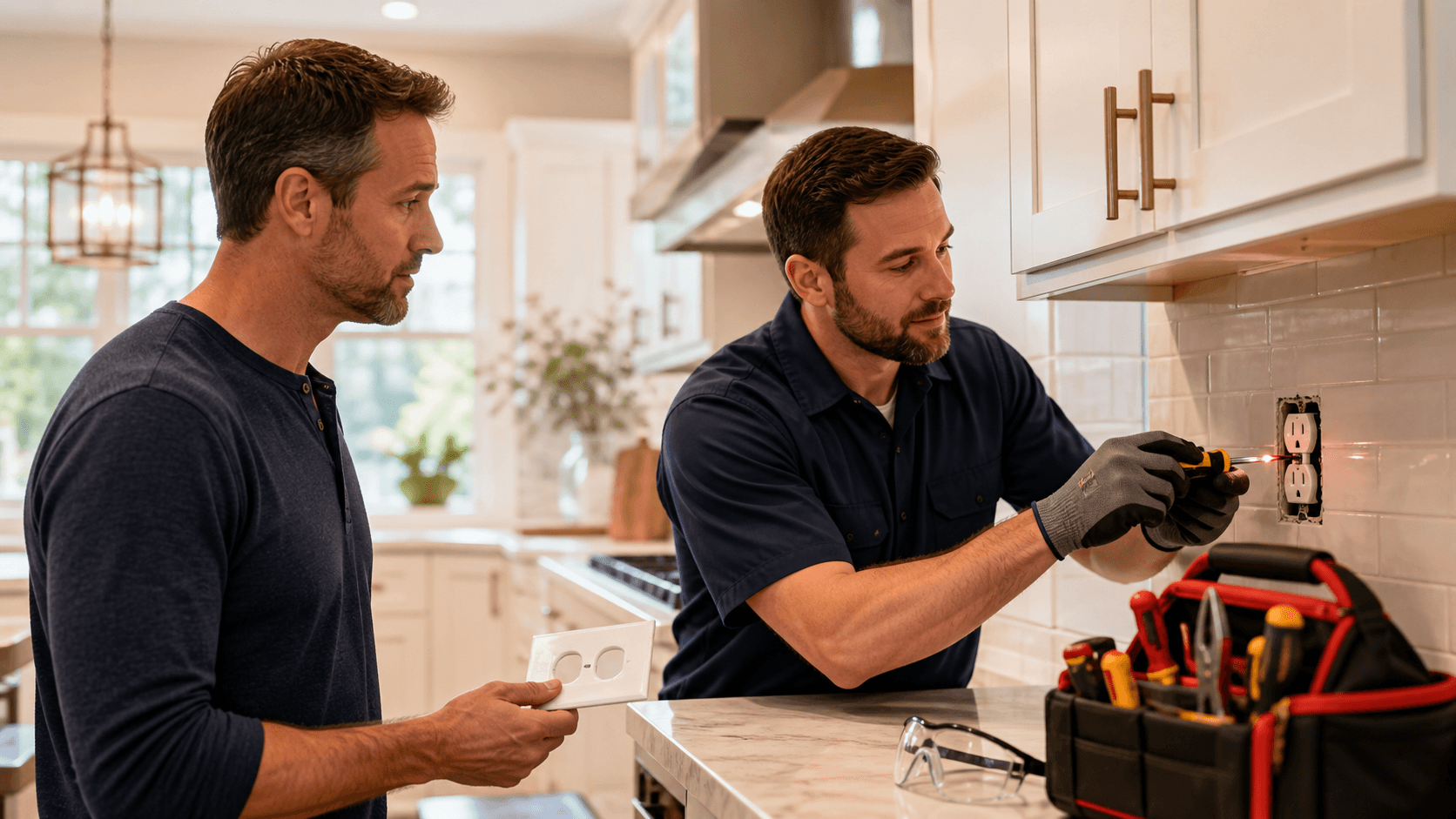
Swapping an outlet isn't always as simple as online videos make it look. In older homes, the wiring can be brittle. You pull the outlet forward and the insulation cracks or wires snap. Then you're stuck with bare copper in a crowded box.
If you connect the new outlet wrong, you can end up with:
- Hot and neutral reversed
- No ground on the outlet
- Loose connections that heat up over time
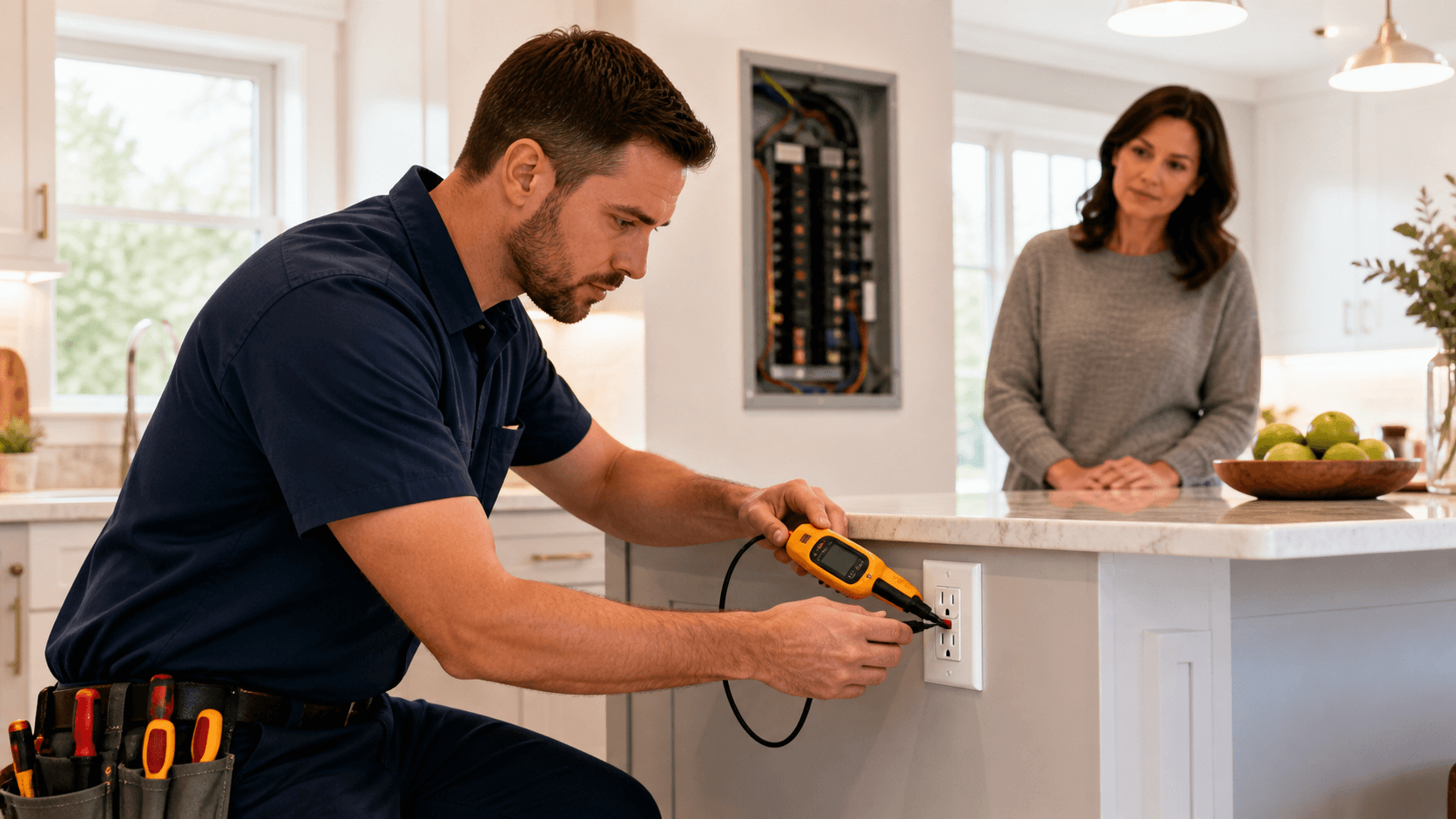
Those mistakes can create shock and fire risks and can also cause headaches when it's time for an inspection. A licensed, bonded electrician's going to look at the whole circuit, not just the one dead spot. I check the boxes up and down the line, tighten what needs tightening, and make sure the fix is something I can stand behind if an inspector looks at it later.
Getting a Dead Outlet Checked the Right Way
By this point, you've safely done what a homeowner should do. You've:
- Tested the device in another outlet
- Tried a different device in the dead outlet
- Checked for GFCIs and pressed RESET
- Looked in the panel and reset a tripped breaker once
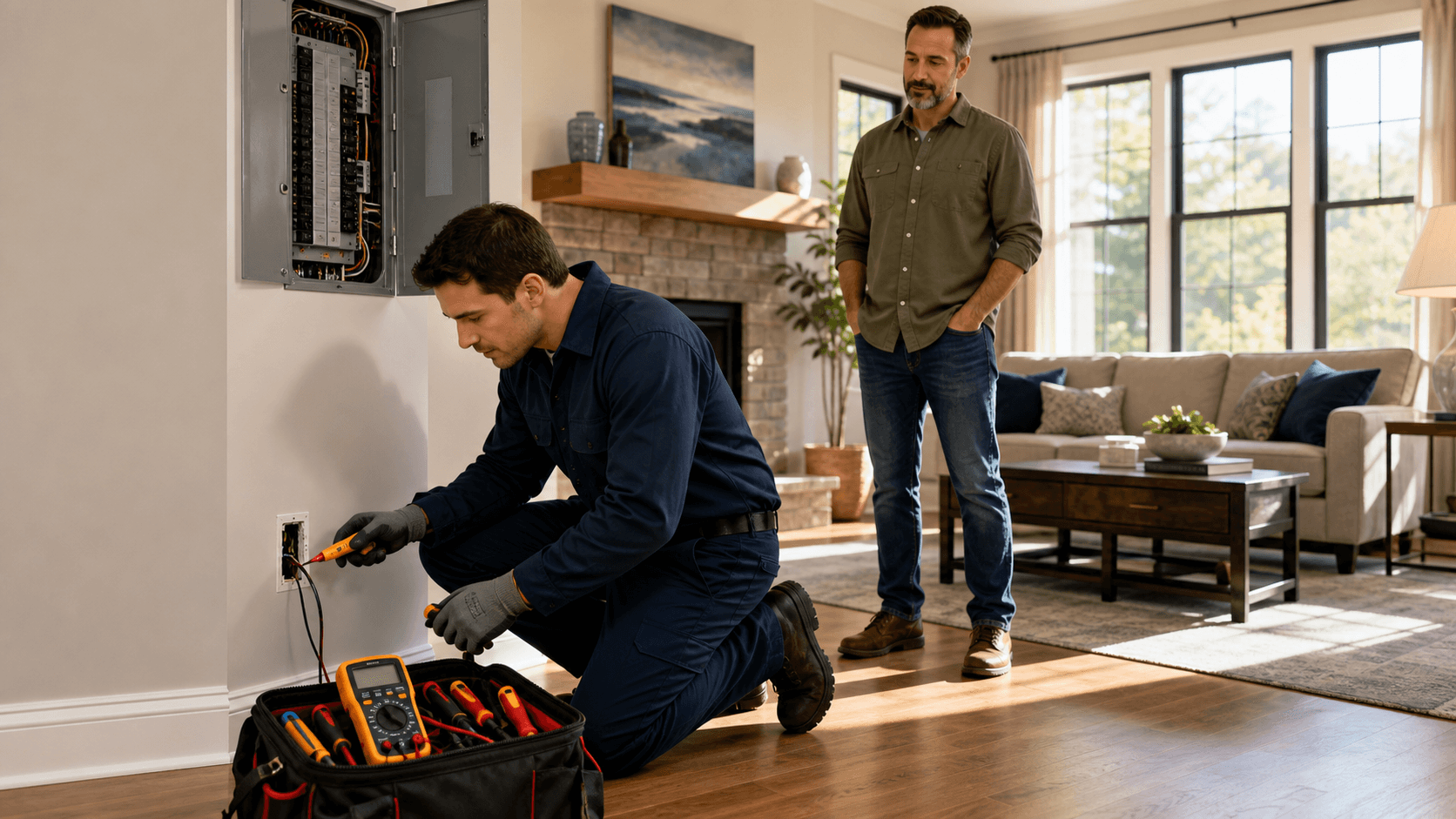
If the outlet's still dead, or if you saw burning, heard buzzing, smelled something odd, or had a breaker or GFCI trip again right away, it's time to bring in a pro. That's not overreacting, that's just taking care of your house and your family.
I'm in Homewood and the greater Birmingham area week in and week out, working in a mix of older and newer homes. I'm on every job, I'm licensed and bonded, and I care more about doing five jobs right than fifteen I can't stand behind. If you're dealing with an outlet not working in Homewood and you're tired of guessing, give me a call or book a free estimate online. I'll check the circuit the right way so you can plug things in without thinking twice about it.
Get Started With Your Project Today
If you are dealing with an outlet not working in Homewood, our experienced team at Massey Electric can inspect the issue safely and restore reliable power where you need it. We handle everything from simple outlet repairs to more complex wiring problems so you do not have to guess what is going on behind your walls. Reach out today to schedule a visit and let us make sure your home's electrical system is functioning safely and efficiently.